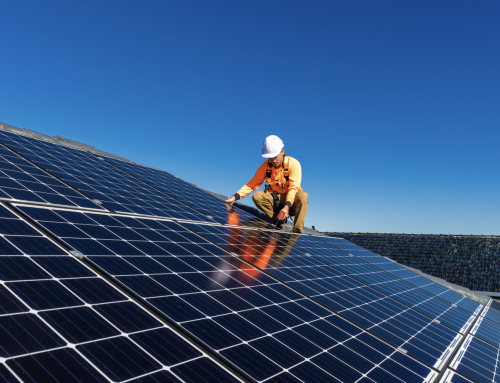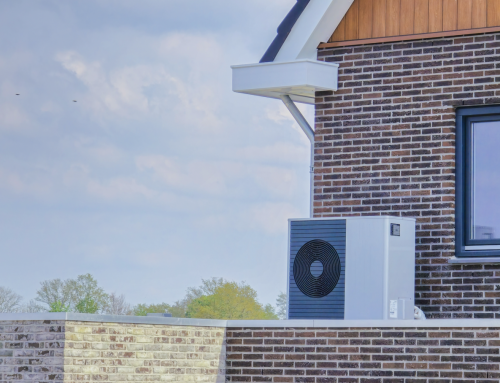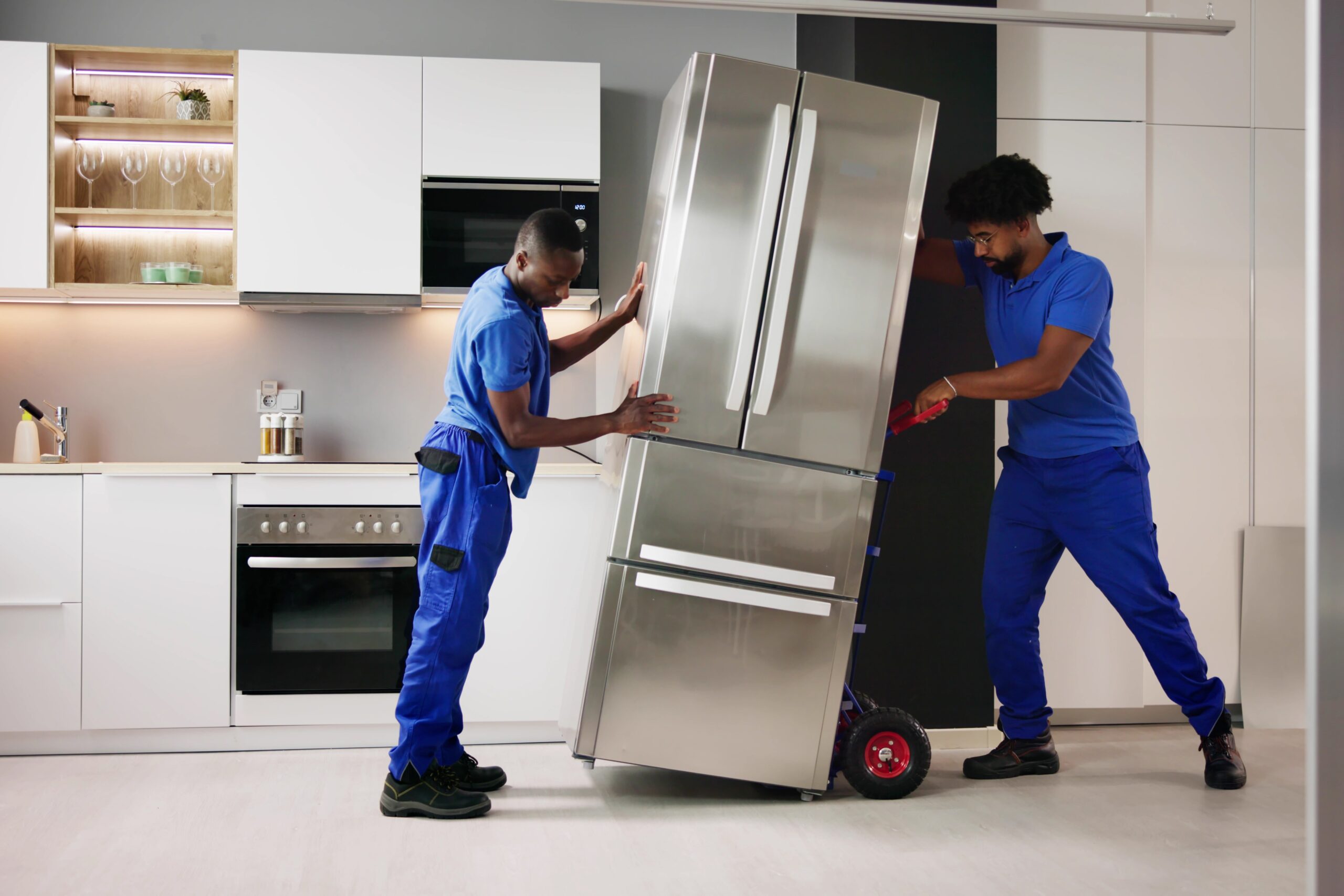
Since the beginning of the Trump Administration, the Department of Energy (DOE) has sought to pare down appliance energy efficiency standards in the name of consumer choice. Various postponements of standard implementation and tens of proposals for the elimination or weakening of existing standards have been supported by Executive Orders signed by President Trump, even when the actions contradict statutory possibility outlined by the Energy Policy and Conservation Act (EPCA).
Passed in 1975, EPCA instituted the Appliance and Equipment Standards Program, which grants DOE the authority to instill uniform energy efficiency requirements for residential, commercial, and industrial appliances, and determine which appliances are covered by the program. EPCA requires that standards be re-examined every six years. Moreover, standards can be amended by DOE, but amendments cannot walk back standards. Under the Biden Administration, DOE increased standards for about 25 product classes. Once a standard is passed, implementation is not immediate; it takes time for manufacturers to respond.
The Trump Administration’s DOE seized on that implementation gap beginning in February 2025, rolling out postponements of increased standards for seven appliance types. In March 2025, DOE further postponed three standards for test procedures—including those applied to central air conditions and heat pumps—and officially withdrew standards for four appliance types—the most notable of which was on electric motors. Then, in May 2025, DOE proposed to eliminate or reduce 47 regulations ranging from the full rescission of efficiency standards, test procedures, and energy conservation standards for appliances to withdrawing multiple appliance types as covered under the Standards Program to postponing the deadline for federal agencies to meet a clean energy requirement.
Given EPCA’s anti-backsliding provision—meaning that statutorily amendments cannot become less efficient—the May 2025 press release bases the authority for the decision on an executive order from President Trump, “Zero-Based Regulatory Budgeting to Unleash American Energy.” Signed in April 2025, it charges federal agencies with applying conditional sunset provisions to “certain requirements and standards.” A September 2025 report from the Congressional Research Service delineates the basis behind this reasoning: to pursue deregulation while circumventing the anti-backsliding rule. Also, the report notes that potential lawsuits or legislative action bolstering the anti-backsliding rule or otherwise altering the scope of EPCA are possible and “may present a challenge for the DOE efficiency rulemakings.”
Most recently, on July 2, 2026, DOE released a Notice of Proposed Rulemaking to edit the standard-making process, reestablishing a 2020 rule that was reversed by the Biden administration. The rule established that DOE would only consider new standards that saved at least 0.3 quadrillion British thermal units, or about 88 billion kilowatt-hours, of energy over 30 years or a 10 percent improvement over existing standards. The proposed rule is open for public comment through August 6; a Request for Information regarding the methodologies used in the development of energy conservation standards is also open through September 8. The July 2026 DOE press release also directly references an executive order, this time “Unleashing Prosperity through Deregulation,” aligning the move with President Trump and the narrative that requiring greater energy efficiency increases energy costs and reduces consumer choice.
Research and statements from various advocacy groups such as Consumer Reports, the American Council for an Energy-Efficient Economy (ACEEE), and the Alliance to Save Energy have noted throughout this timeline that the Appliance and Equipment Standards Program has brought noted benefits to both consumers and businesses; ACEEE projects that coming standards may save residential customers $150 annually and businesses at large $13.8 billion annually, while Consumer Reports cites that the withdrawal of 17 specific standards would increase utility costs by over $54 billion. Conversely, those in support of the rule highlight how edits to the rulemaking process bring benefits. HVAC industry groups stand in support of DOE’s proposals, underscoring how alterations to the standards process will welcome greater stakeholder engagement while providing industry with “lasting certainty” about procedures. The Association of Home Appliance Manufacturers and the Air-Conditioning, Heating, and Refrigeration Institute also voiced support. These organizations also resisted the Biden DOE’s initial reversal of the 2020 process rule.
The fight over energy efficiency standards plays into a larger debate around energy efficiency and whether paying more now saves money in the long run. Atlas will continue to follow this rulemaking, but for more on energy efficiency, affordability, and tradeoffs between paying now and paying later, see our recent digests on public utility commission elections and states eyeing cuts to energy efficiency programs to lower bills.