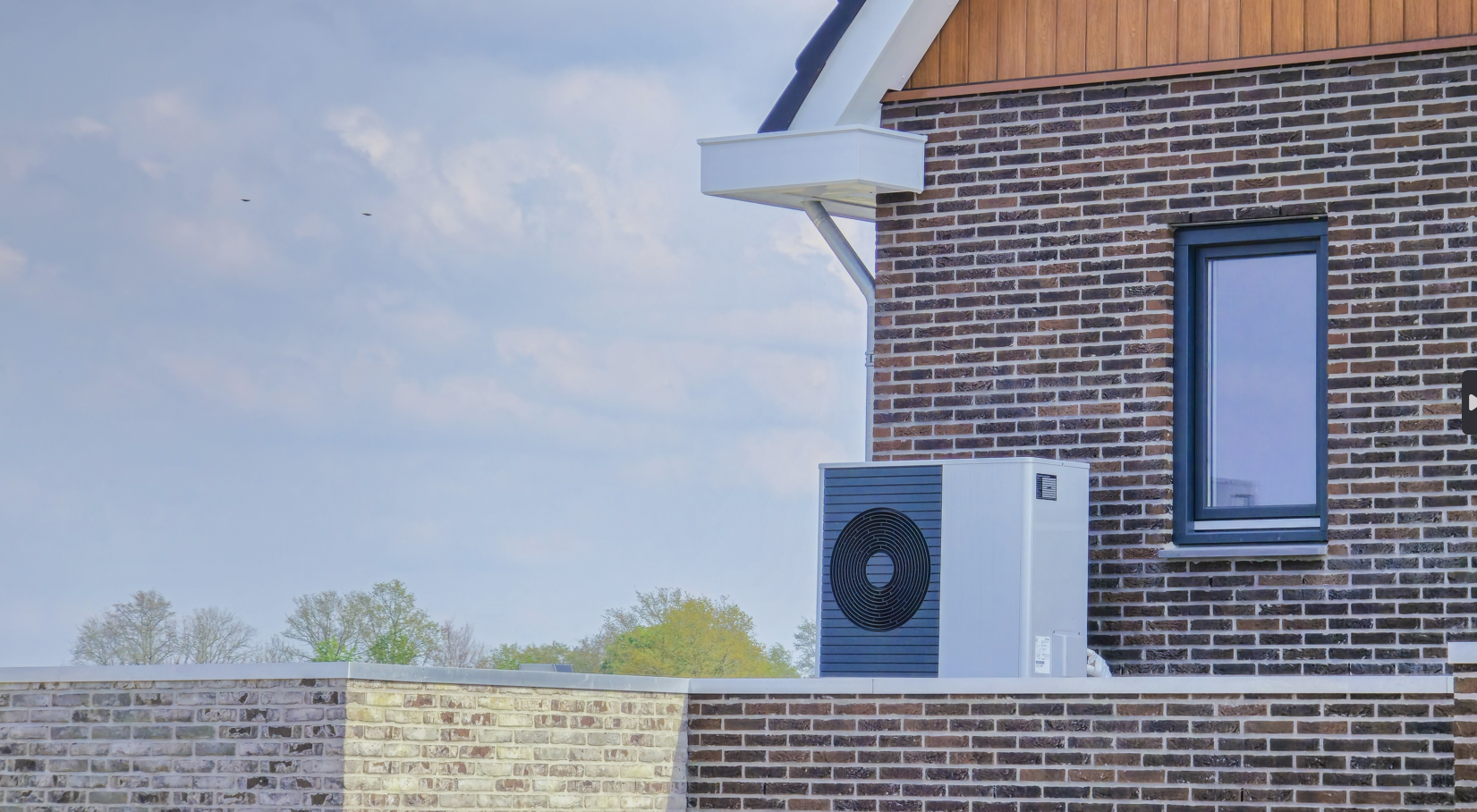
Coined as the "multitaskers" of home electrification, heat pumps provide heating and cooling in a single system while using less energy than conventional alternatives. Their popularity has surged, with sales more than doubling over the last 15 years and are outpacing traditional furnace sales, according to data from the Air Conditioning, Heating, and Refrigeration Institute. For households, the benefits can be substantial: reduced energy consumption and lower utility bills, which can save households as much as $1,500 per year. Adoption is especially appealing for households that rely on heating oil, which deal with fluctuating fuel costs during winter months. But even when heat pumps can save money on bills, they are often more expensive to purchase and install, and that can be prohibitive especially when affordability is top of mind for Americans. With their popularity growing, how can households find help in offsetting the cost of a new heat pump?
Despite their potential to lower energy use and utility bills, heat pumps can be expensive to install. To help bridge the cost gap, many states have made heat pumps a central part of their energy affordability strategy using rebates, tax incentives, and building code updates to encourage adoption and reduce costs for consumers. Examples include:
- Maine: Through Efficiency Maine, the state offers statewide rebates for heat pumps and has installed more than 200,000 units. Heat pumps are now used more frequently than oil heating in new residential construction.
- Massachusetts: The state supports heat pump adoption through the Mass Save program while incorporating electrification into broader building decarbonization efforts.
- New York: Through NYSERDA's Clean Heat program, the state has integrated heat pumps into its climate and building electrification goals.
While states establish funding mechanisms, utilities serve as the primary method through which consumers access heat pump incentives. Utility programs can provide rebates, preferred contractor networks, and financing assistance that help reduce upfront costs and simplify the installation rate.
- Green Mountain Power (Vermont): Offers incentives for heat pump installations that can be combined with Efficiency Vermont rebates.
- ComEd (Illinois): Provides rebates of up to $2,000 for qualifying air-source heat pump installations and connects customers to approved contractors.
- Eversource (Massachusetts): Participates in the statewide Mass Save program and helps administer incentives for heat pump installations.
Federal incentives have complemented state and utility efforts. Through 2025, the Energy Efficient Home Improvement Credit provided households with a tax credit of up to $2,000 for qualifying heat pump installations before Congress eliminated it at the end of the year. In addition, the Home Energy Rebates programs are beginning to progress again. While the new guidance for the appliance rebate prohibits switching from gas, oil, or propane appliances to heat pumps, households with inefficient electric resistance or new homes can still qualify. Heat pumps may remain eligible through whole-home energy savings rebate pathways. For information on Home Energy Rebate program availability, rebate amounts, and state implementation, visit the Buildings Hub Home Energy Rebates Tracker.
Heat pumps are expected to remain a cornerstone for building decarbonization efforts, but upfront affordability continues to shape adoption. State and utility programs, including rebates and contractor networks, have helped make installations more accessible, while the federal Home Energy Rebates programs have expanded financial support. As federal incentives evolve- like the Section 25C tax credit- states will play an increasingly important role in driving heat pump deployment. The Buildings Hub will continue to monitor available funding, program changes, and state implementation efforts across the country through the Spotlight States policy dashboard, the Home Energy Rebates Tracker, and a forthcoming new and improved public requests and funding dashboard.