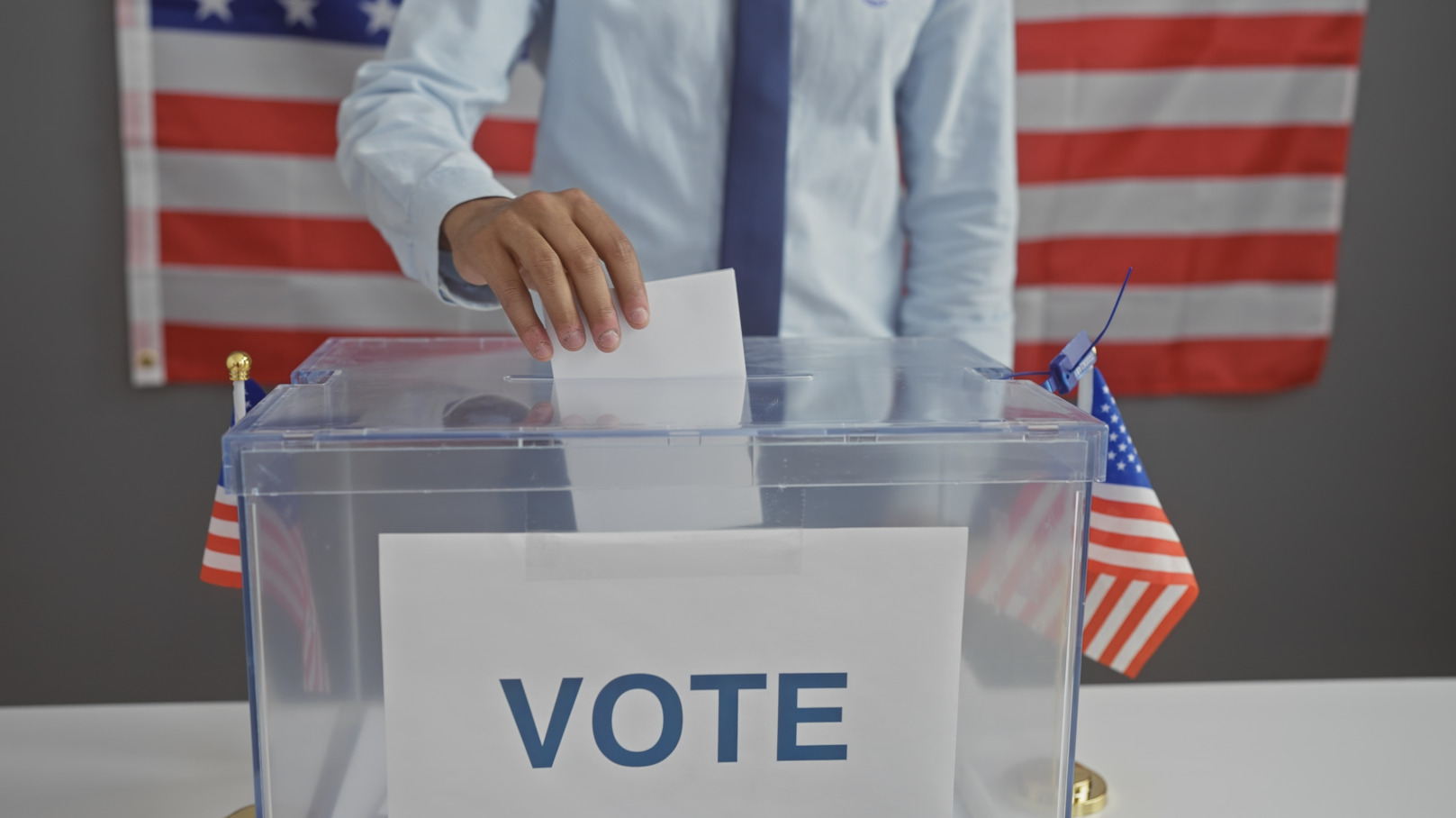
The 2026 midterms produced major political shifts with one message ringing true across many of the races: household costs matter. Across both federal and state elections, electricity and gas bills joined groceries, housing, and transportation as key affordability concerns shaping elections. The focus on energy affordability comes as concerns over costs have intensified with residential electricity cost on a steady rise, even eclipsing inflation. According to Pew Research, the share of Americans "very concerned" about gasoline and energy prices jumped from 43 percent in January to 73 percent in October. With new leadership heading to governors' mansions, statehouses, and the U.S. Congress, attention now turns to whether campaign promises will translate into policies that bring relief to household energy bills.
Several successful candidates made lowering home energy bills a key part of their core campaign. Table 1 summarizes three candidates' policy themes including regulating utilities, requiring data centers to pay more of the incremental grid costs they cause, and help support residents with energy efficiency upgrades.
Table 1: Policy Pledges from Selected 2026 Midterm Winners
| Candidate | Regulating Utilities | Data Centers | Home and Grid Efficiencies |
| Amy Action, Ohio Governor-elect | Restore funding for Ohio's consumer advocate. | New development on data centers covering all utility costs, investing in generation, and avoiding rate increases for other customers. | Expand energy-assistance and weatherization programs and increase lower-cost, cleaner energy production. |
| Roy Cooper, North Carolina Senator-elect
|
Fight utility-rate increases and prevent shutoffs during extreme temperatures. | Require data centers to pay full power costs; encourage technology companies to develop their own energy supplies. | Modernize the electric grid to improve reliability and lower consumer costs. |
| Katie Hobbs, Arizona Governor-reelect | Implement a state energy strategy focused on affordability and ratepayer protection. | Protect existing ratepayers from infrastructure and energy costs caused by large-load users. | Advance statewide weatherization and appliance upgrade efforts that reduce household bills. |
Source: Campaign websites and news articles.
The election results bring restored attention to state and federal policies affecting how Americans power, heat, and cool their homes. Across the buildings and energy sectors, industry groups are responding to the election results with an affordability focus, although they differ on which policies and technologies they see as the solution.
HVAC industry leaders are emphasizing that affordability involves not only monthly energy bills but also the upfront cost of replacing and upgrading equipment. ACHR News reported that Charles White, Vice President of the Plumbing-Heating-Cooling Contractors National Association, wants lawmakers to avoid restricting consumers from installing gas appliances with lower upfront costs, but he also cautioned against pursuing affordability by continuing to lower equipment standards. Renewable energy groups view the new political landscape as an opportunity to expand energy supply while addressing rising costs. Tim Pawlenty, CEO of the Solar Energy Industries Association, sees solar and storage being key factors to addressing "the real pressures facing American households and businesses."
Data-center growth emerged as another affordability issue during the election. Candidates in major data-center markets, including Amy Acton of Ohio, campaigned on greater oversight of the industry and on preventing households from absorbing the cost of infrastructure required to serve large new loads. The same question of who pays for data-center-driven grid expansion is now shaping federal policy, with the Bipartisan American Affordability and Jobs Act proposing new protections intended to keep ratepayers from covering all of those costs.
Energy affordability is firmly part of the broader cost-of-living conversation going into 2027. The next question is whether campaign promises will translate into utility regulation, building-efficiency programs, and data-center policies that provide savings for households. Atlas Buildings Hub will continue tracking these developments and translating what they mean through our policy and funding dashboards, digests, and other resources.