
Over the next five years, U.S. electricity demand is projected to grow by 128 GW. This is an increase of 16 percent over today’s national peak demand (the most electricity we use in the country at a given time) and marks a sharp departure from more than two decades of flat electricity demand. The primary drivers for this increase are hyperscalers, the tech companies building energy-intensive AI data centers at a rapid pace. The data centers currently planned or already under construction across the country would add a total of 93 GW of electricity demand to the grid by 2029.
This new demand, plus constrained supply, is driving up costs. Across the country, households have been opening their mail and discovering soaring monthly electricity bills. Electricity prices have risen twice as fast as inflation over the last year, and they are expected to keep rising. Utilities have requested $29 billion in rate hikes so far this year alone.
Rising electricity prices are squeezing American households at the worst possible time, with wages lagging behind inflation and federal incentives for money-saving home upgrades disappearing. But this doesn’t have to be a zero-sum game where households must compete with data centers and industry for limited power. Instead, households could serve as the foundation of an energy system that powers prosperity for families and a competitive, electric-powered economy.
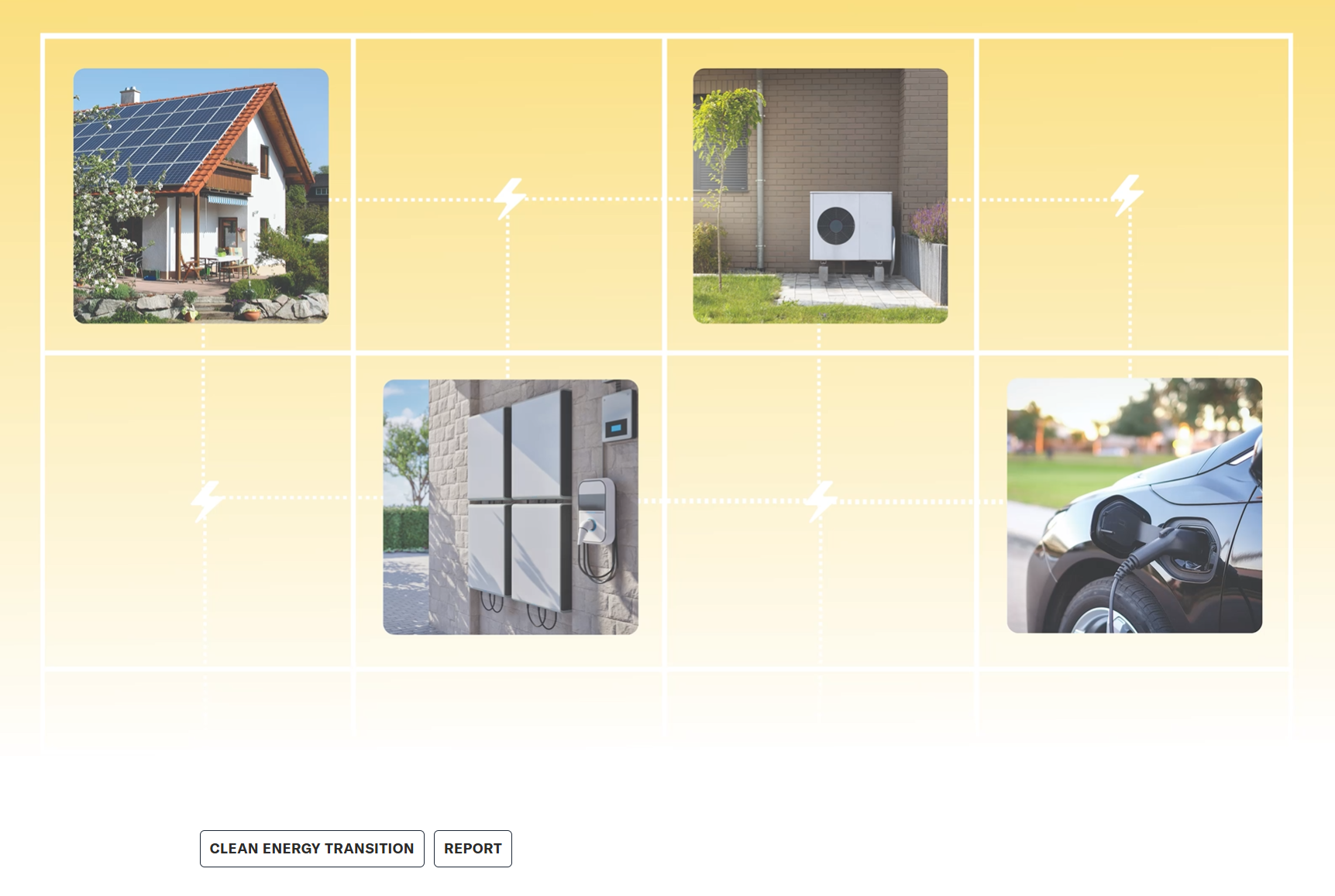
In response to this new era of demand growth, hyperscalers and utilities are currently looking to centralized, utility-scale solutions, like building fossil fuel or nuclear power plants. However, there is an overlooked solution that has the potential to provide sweeping benefits: investing in the household as energy infrastructure.
More About this Resource
Publisher: Rewiring America
Date: September 18, 2025
Type: Report
Countries: Countries: None
States: National