
Filter Selections:
Affordable, Clean, Reliable American Energy: A Guide for States
This memo outlines the critical opportunity for state-level decision-makers, including legislators, governors, and regulators, to advance smart policies that deliver economic relief and address climate change through cheap, clean power, efficient buildings, and affordable, accessible transportation.
50 States of Energy Affordability
This new, publicly available quarterly series provides updates on state and utility actions to address rising electricity costs, including utility business model reforms, utility oversight and cost recovery, infrastructure planning and procurement processes, customer cost allocation, and customer programs.
Seeking Balance: The Path Forward for Thermal Energy Network Regulation
Integrated electric and gas planning is just beginning to be considered in a few jurisdictions, but thermal energy networks — as a significant efficiency option for electricity as well as an alternative to gas for heating — may spark accelerated adoption of integrated planning.
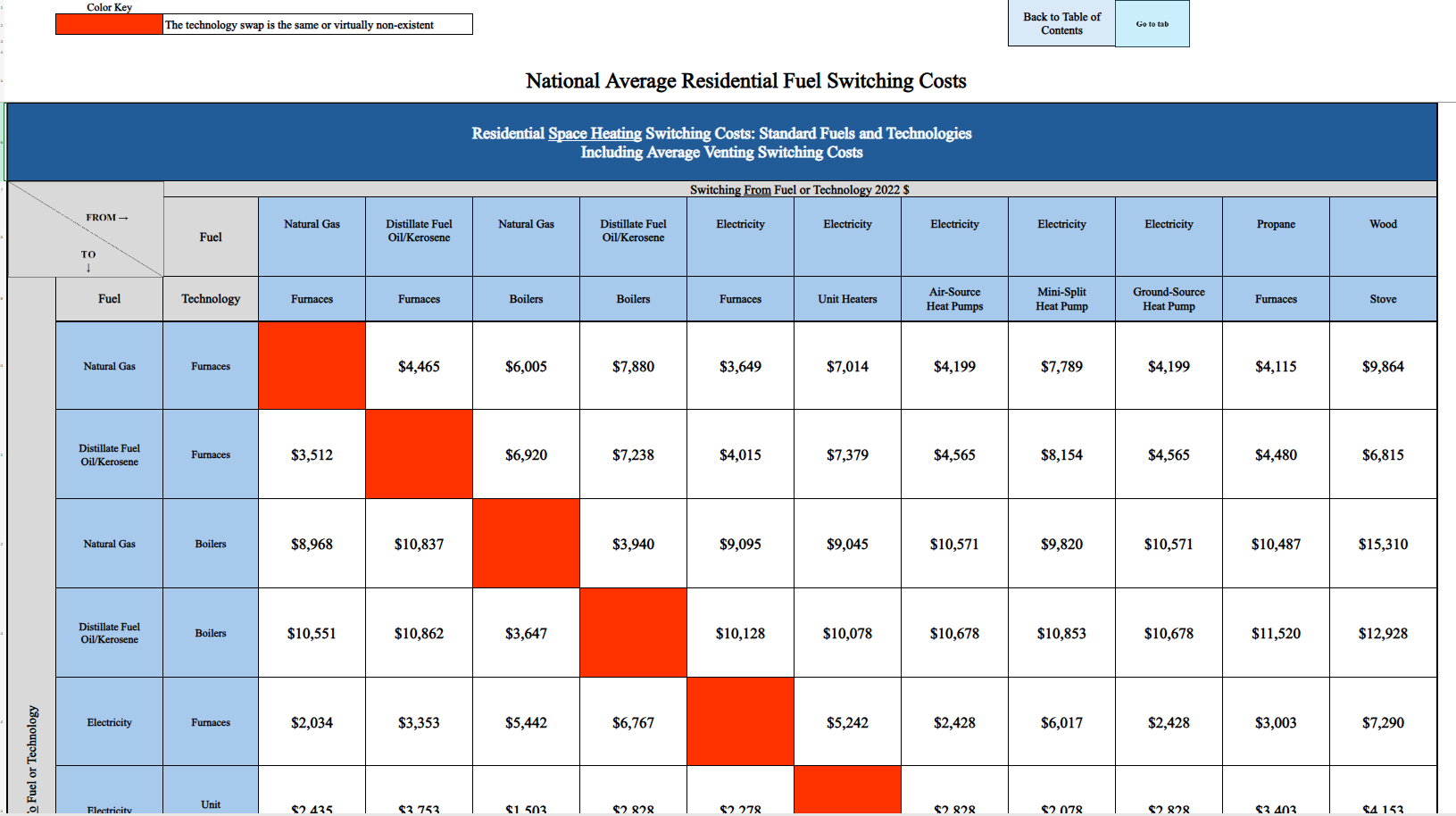
Residential Technology and Fuel Switching Costs
Energy used in the residential sector provides a wide range of services, including heating, cooling, lighting, refrigeration, cooking, and numerous other end uses. The U.S. Energy Information Administration (EIA) conducts a household buildings-sector survey—the Residential Energy Consumption Survey—that provides information on the equipment stock and energy consumption within existing buildings. However, this survey does not directly gather other information that we need to project future energy consumption, such as costs associated with switching equipment between different technologies and fuels. The Residential Demand Module of the National Energy Modeling System uses equipment cost and performance technology menus that represent competing options for most of the [...]
Momentum Q1 | 2026
From the ever-expanding energy demand of data centers and AI-driven campaigns to weaken appliance standards, to the growing list of repealed regulations intended to protect public health and the environment, 2026 looks different from the future many of us envisioned when we began working on building decarbonization.
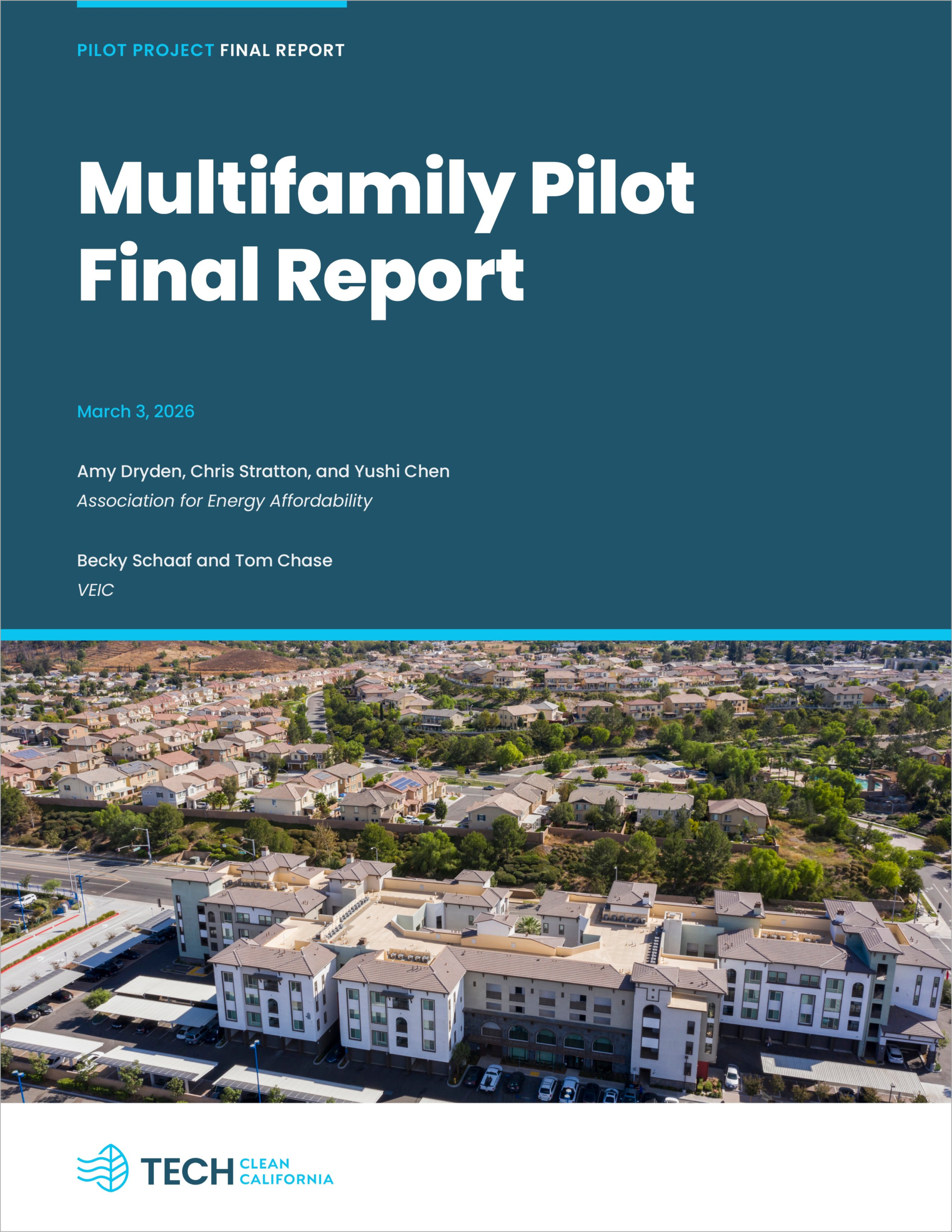
Breaking Barriers to Electrification: Lessons from the Multifamily Pilot
From July 2021 through June 2025, the TECH Clean California Multifamily Pilot aimed to strategically tackle these challenges and bring heat pump technology to this critical sector.
The Implementation of Local Building Performance Standards: An Analysis of Progress to Date and Guide for Future Policy
In a new report, New York University’s Guarini Center on Environmental, Energy and Land Use Law and Marron Institute of Urban Management provide a retrospective analysis of the implementation of local BPS laws using qualitative and quantitative methods. The report is the most comprehensive analysis of BPS implementation to date.
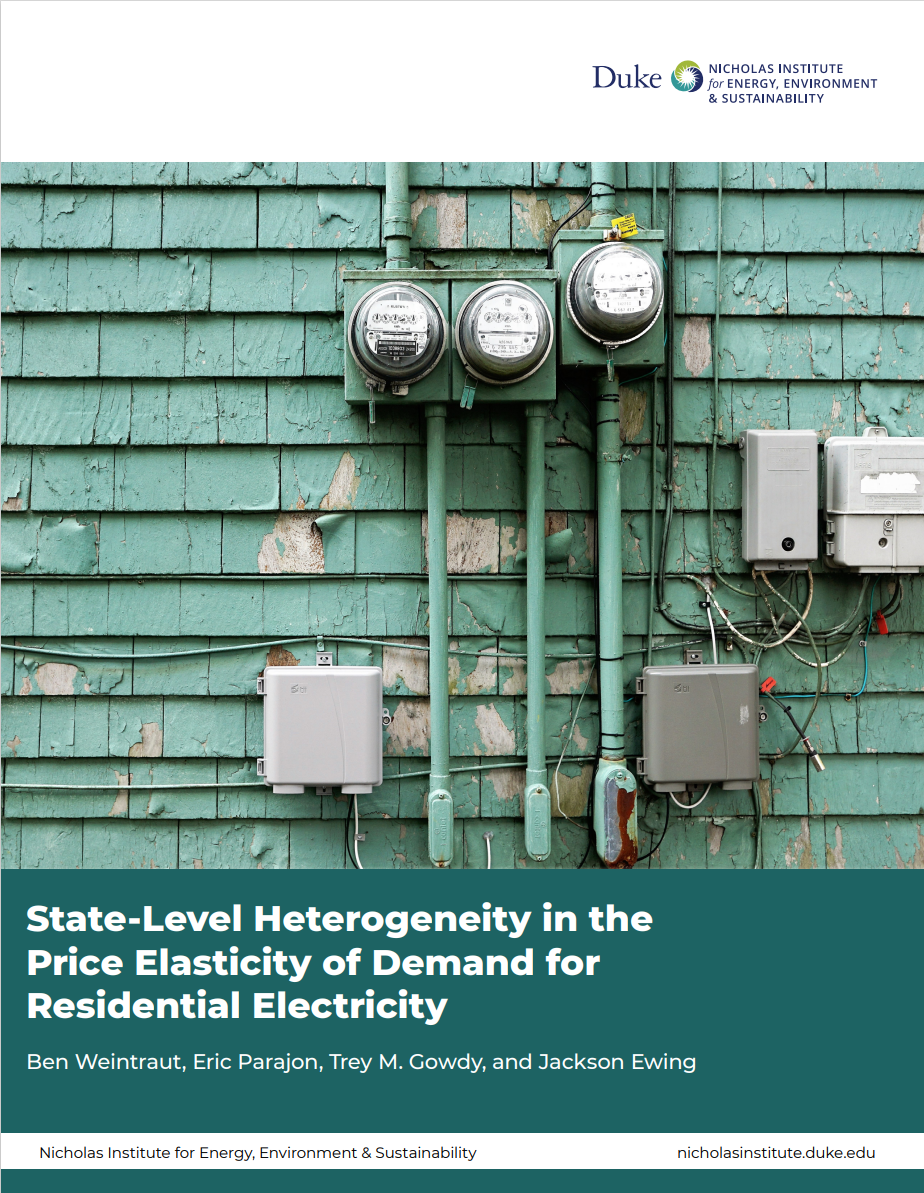
State-Level Heterogeneity in the Price Elasticity of Demand for Residential Electricity
This paper presents updated estimates of a standard measure of price responsiveness in the US residential electricity market—the price elasticity of demand for electricity (PEDE)—and explores how it varies across states.
Retrofit Navigators: Building Retrofit Programs that Advance Climate, Housing, and Community Goals
This report from BEI outlines the issue with traditional retrofit programs and how to design better programs, including examples from programs in Philadelphia, Madison, and New York City.
2025 Building Decarb Legislation Roundup
Welcome to BDC’s 4th annual building decarbonization legislative roundup.
Thermal Energy Networks as Key Infrastructure in Vermont
A new report published in partnership with Building Electrification Institute. “TENs are a critical tool for maintaining grid reliability and stability as Vermont transitions to a cleaner energy future. This function makes TENs a valuable resource with financial benefits.” This detailed report examines how Thermal Energy Networks (TENs) can contribute to and support resource efficient building decarbonization in Vermont. Using utility data to calculate the potential savings TENs could deliver, the analysis: Makes a compelling case for the high efficiency, peak-shaving, and cost-saving value of TENs as a capacity resource for Vermont’s electric grid. Forecasts the impact of broad [...]

Multistate Action Plan: Accelerating the Transition to Zero-Emission Residential Buildings
Recommendations for state action are organized into four categories – equity and workforce, carbon reduction obligations, codes and standards, and utility planning and regulation – using a framework introduced in a 2024 policy brief, Decarbonizing Buildings: How States Can Set the Table for Success.