
Filter Selections:
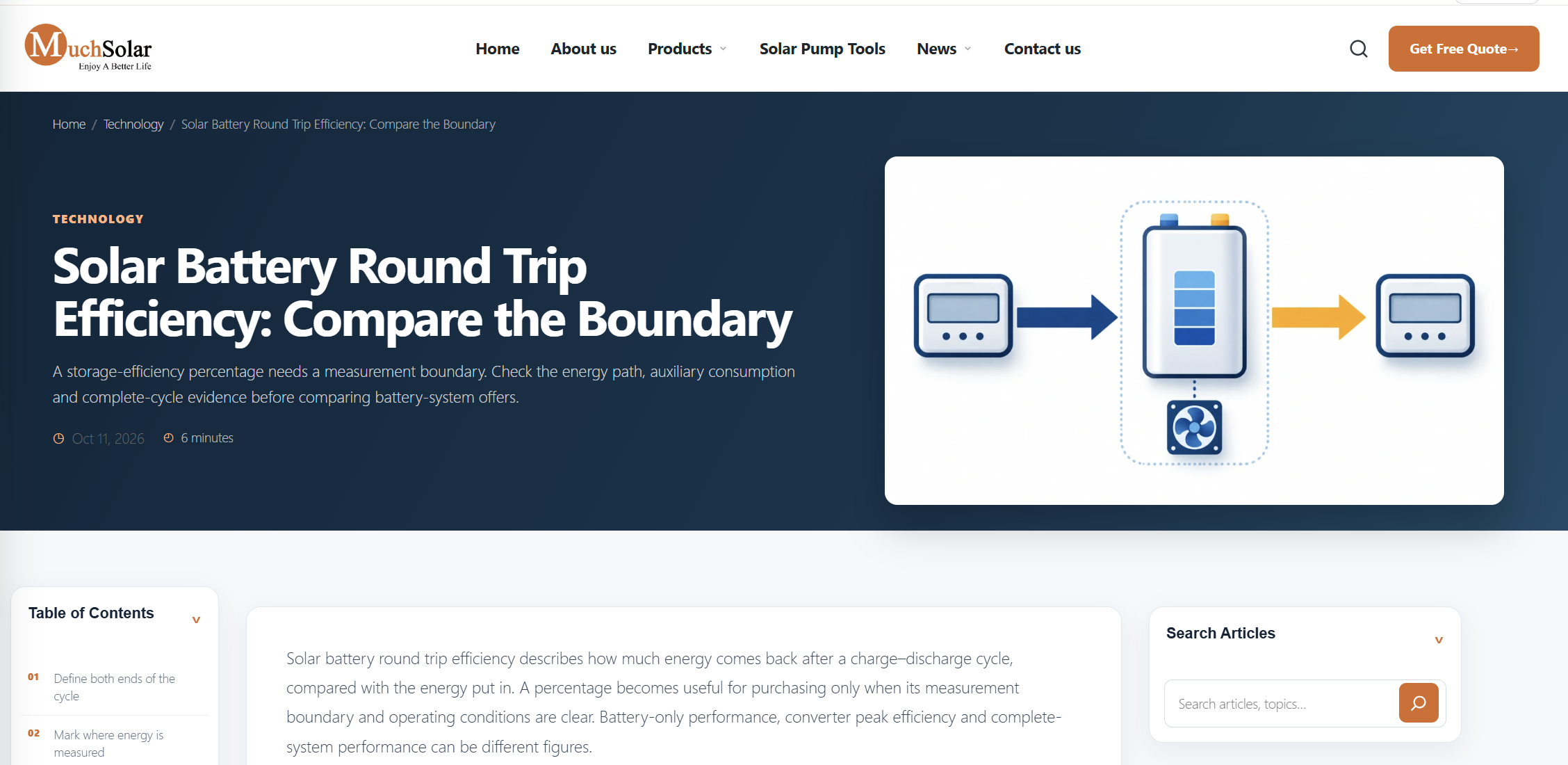
Solar Battery Round Trip Efficiency: Compare the Boundary
A supplier-authored guide for comparing solar-battery efficiency figures when evaluating storage for a building or other solar project. It explains AC/DC measurement boundaries, conversion losses, auxiliary and standby consumption, operating duty, and starting/ending charge states. A checklist identifies the evidence to request before comparing offers. The page links to NREL evaluation guidance, System Advisor Model documentation and other primary technical references. Published by Much Solar, a solar-equipment supplier in Guangzhou, China. The calculations are illustrative, not measured Much Solar performance. The page includes commercial product links and a quotation invitation. It provides general procurement education, not US building-code advice, project design or an independently certified performance assessment. Please consider it only if useful to the Solar-Storage or Energy Efficiency resource categories, and link to the original page rather than reproduce the article. This nomination was prepared with AI assistance.
50 States of Energy Affordability
This new, publicly available quarterly series provides updates on state and utility actions to address rising electricity costs, including utility business model reforms, utility oversight and cost recovery, infrastructure planning and procurement processes, customer cost allocation, and customer programs.
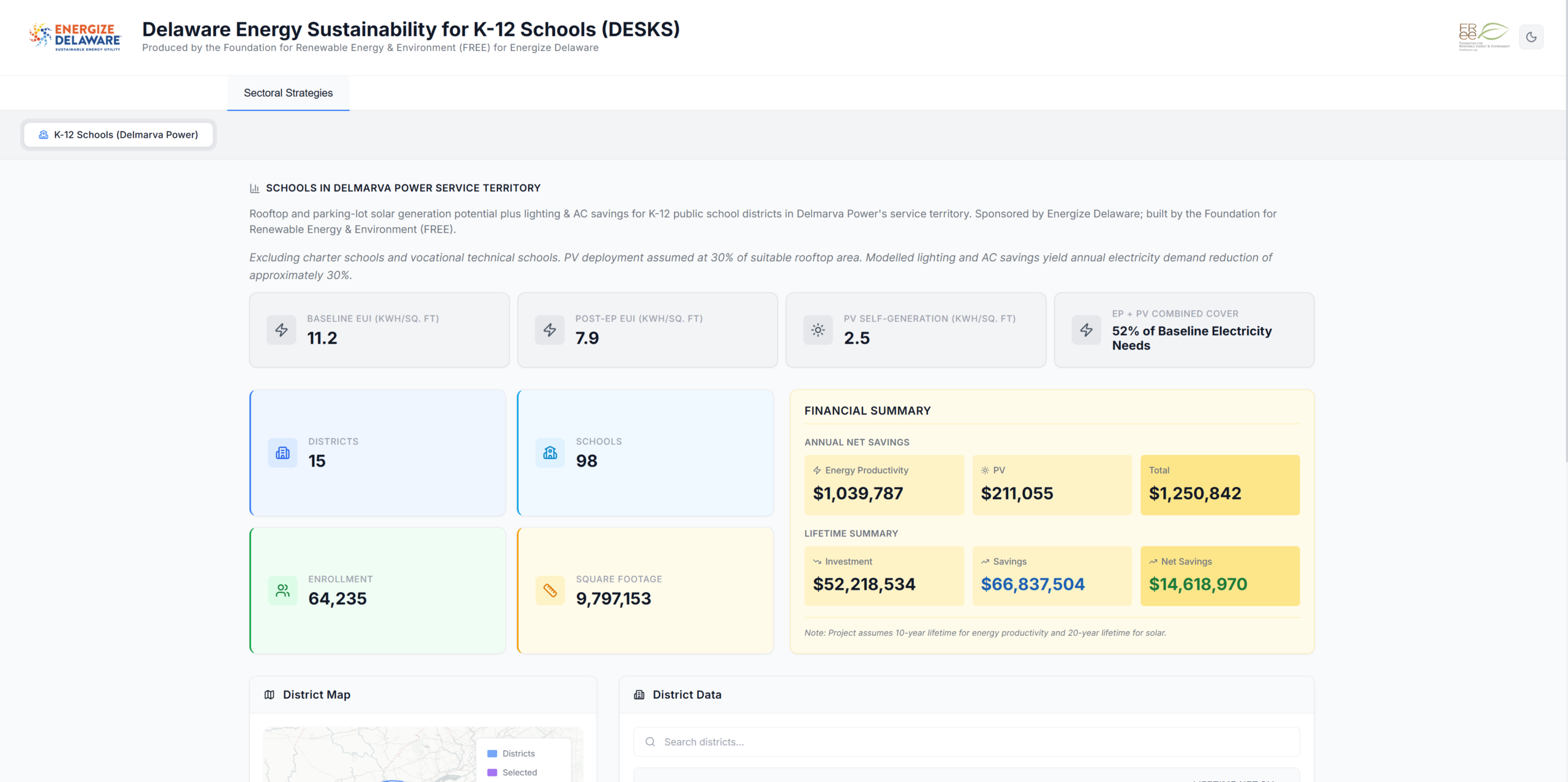
Delaware Energy Sustainability for K-12 Schools (DESKS)
This resource by Energize Delaware analyzes rooftop and parking-lot solar generation potential plus lighting and AC savings for K-12 public school districts in Delmarva Power's service territory.
The Roadmap: A Path to Equitable Building Decarbonization in L.A.
Informed by extensive community engagement with low-income communities across Los Angeles, this document outlines the Los Angeles for Resilient and Health Homes (LARHH) coalition's proposed path to decarbonizing buildings equitably.
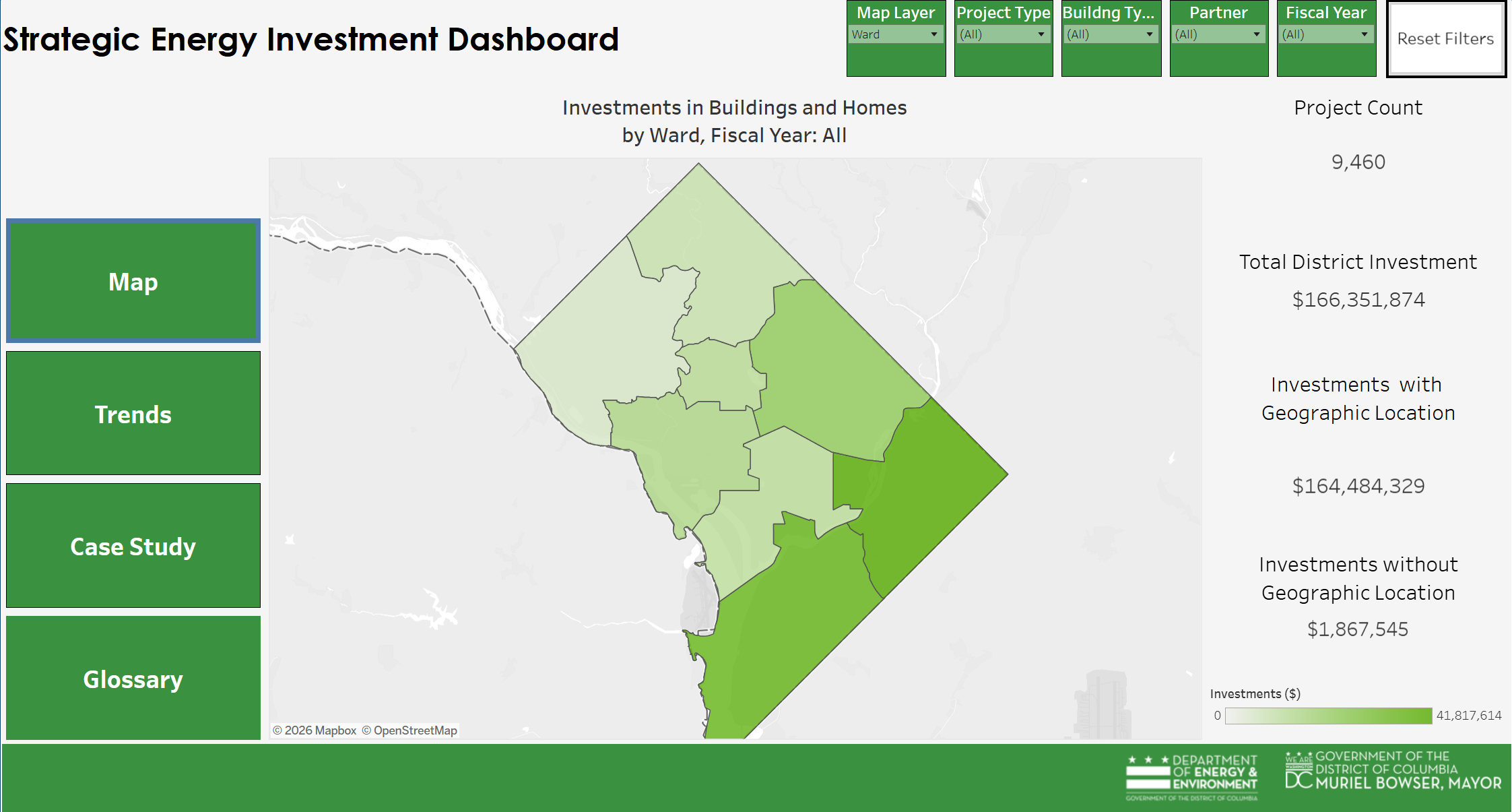
Strategic Energy Investment Dashboard
The Strategic Energy Investment Dashboard (SEID) map brings these investments together in one place, showing where dollars were invested and the types of energy projects that are happening in every ward, ANC, and Census tract.
Retrofit Navigators: Building Retrofit Programs that Advance Climate, Housing, and Community Goals
This report from BEI outlines the issue with traditional retrofit programs and how to design better programs, including examples from programs in Philadelphia, Madison, and New York City.
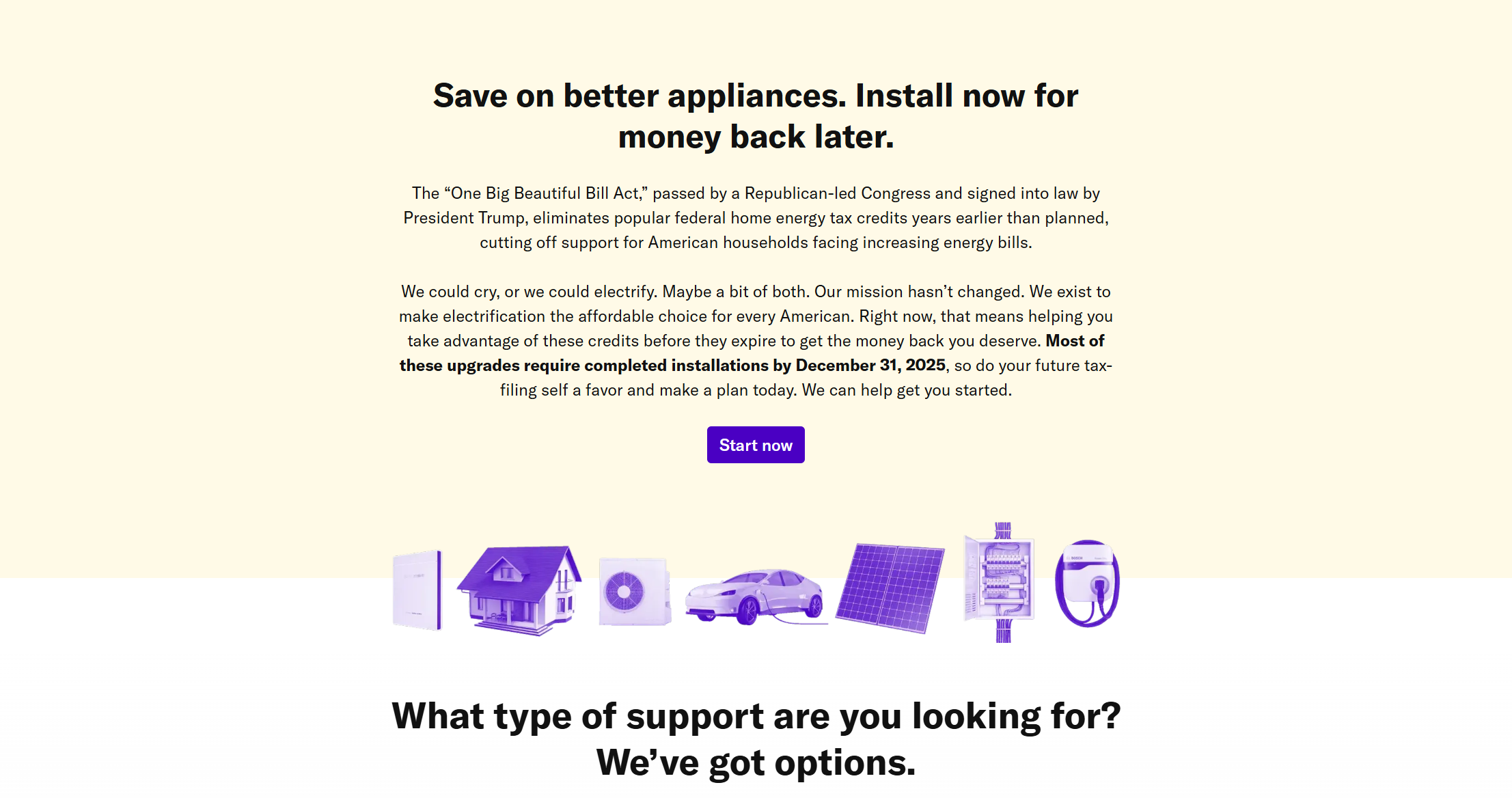
Save on Better Appliances
Most of these upgrades require completed installations by December 31, 2025, so do your future tax-filing self a favor and make a plan today. We can help get you started.
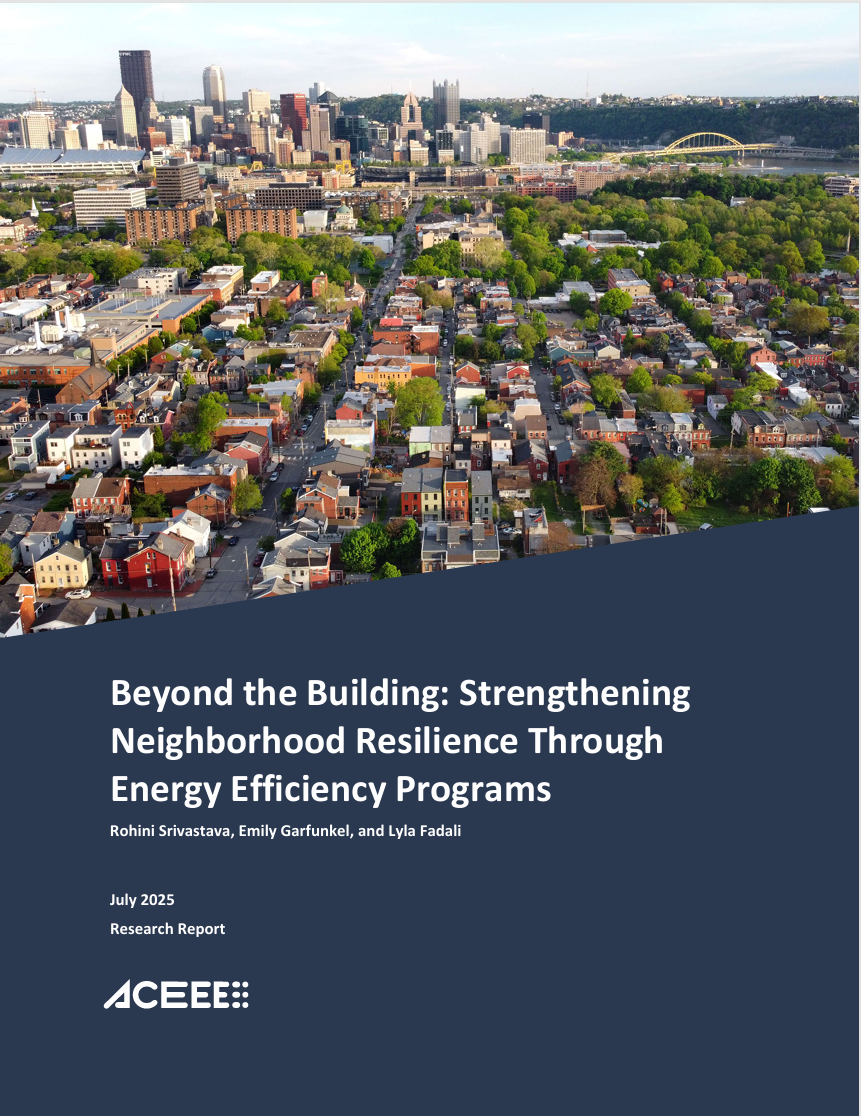
Beyond the Building: Strengthening Neighborhood Resilience Through Energy Efficiency Programs
ACEEE researchers find that energy efficiency upgrades and heat pumps installed in multiple buildings in an area provide benefits beyond each individual building by reducing local peak demand and the likelihood of outages. An analysis of commercial and residential buildings in Westchester County, New York finds that building envelope sealing and heat pumps in multiple buildings reduce summer peak demand by 8 percent and outage time by 63 percent.
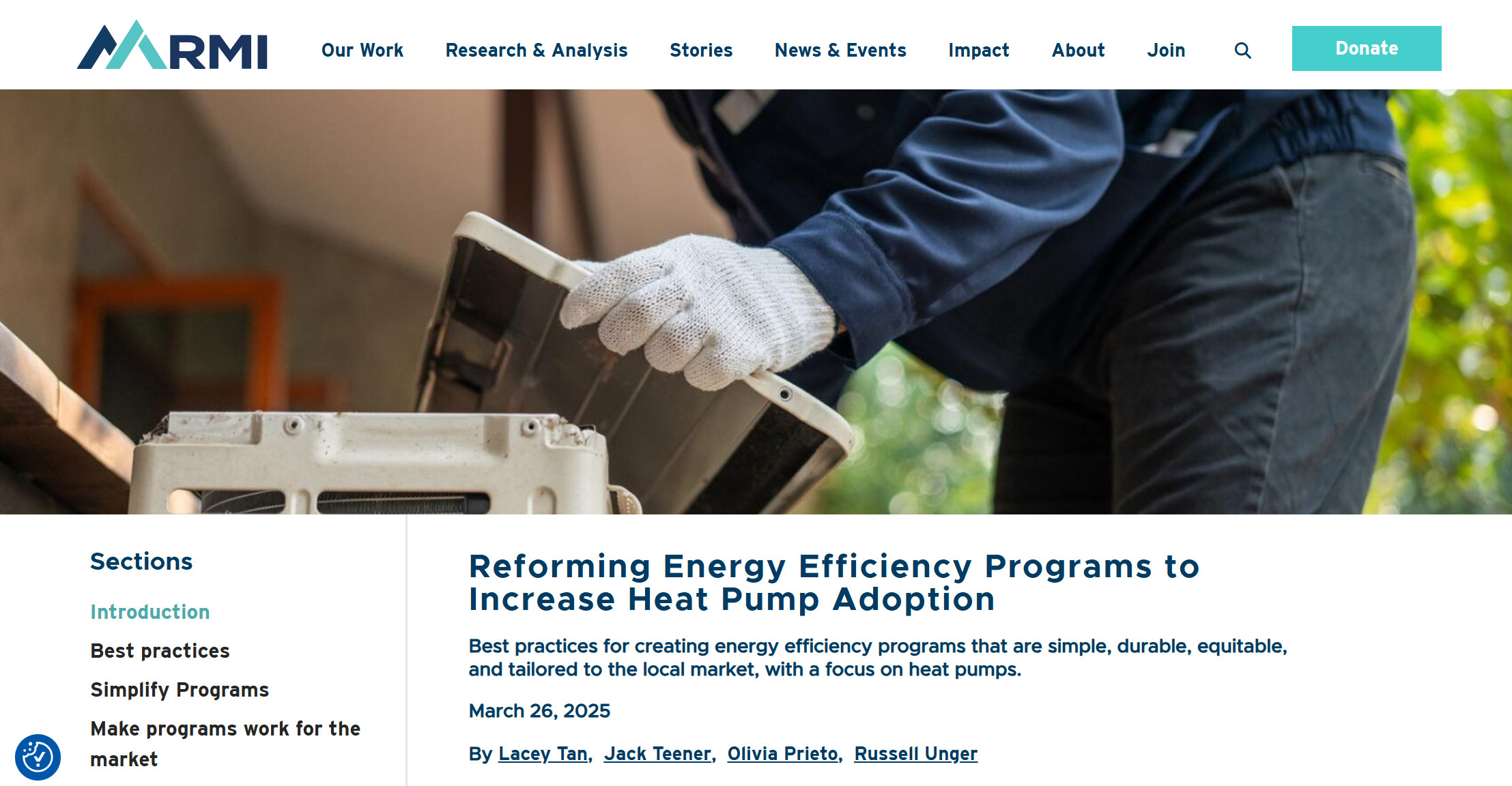
Reforming Residential Energy Efficiency Incentive Programs: Best Practices and Legislative Options
This report presents best practices for program administrators, utility regulators, policymakers, and advocates to make energy efficiency programs more simple, market-friendly, durable, and equitable.
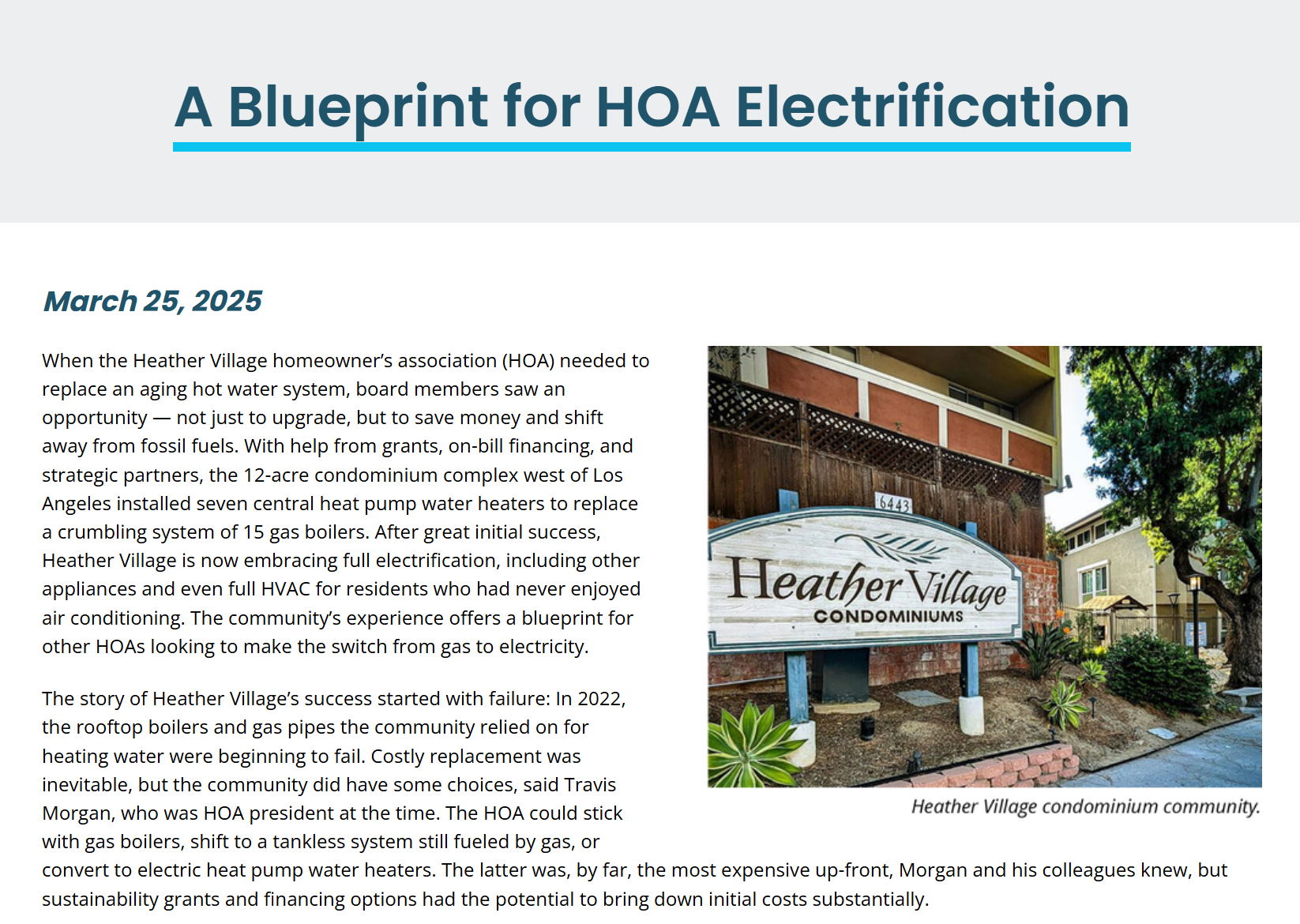
A Blueprint for HOA Electrification
This case study from TECH Clean California lays out how the Heather Village homeowner's association leveraged grants and utility financing to switch from gas boilers to heat pumps to heat its residents' water.
Thermal Energy Networks Legislative Guidebook
This resource from the Building Decarbonization Coalition examines enabling legislation for thermal energy networks across eight states and derives lessons for other states considering these policies.
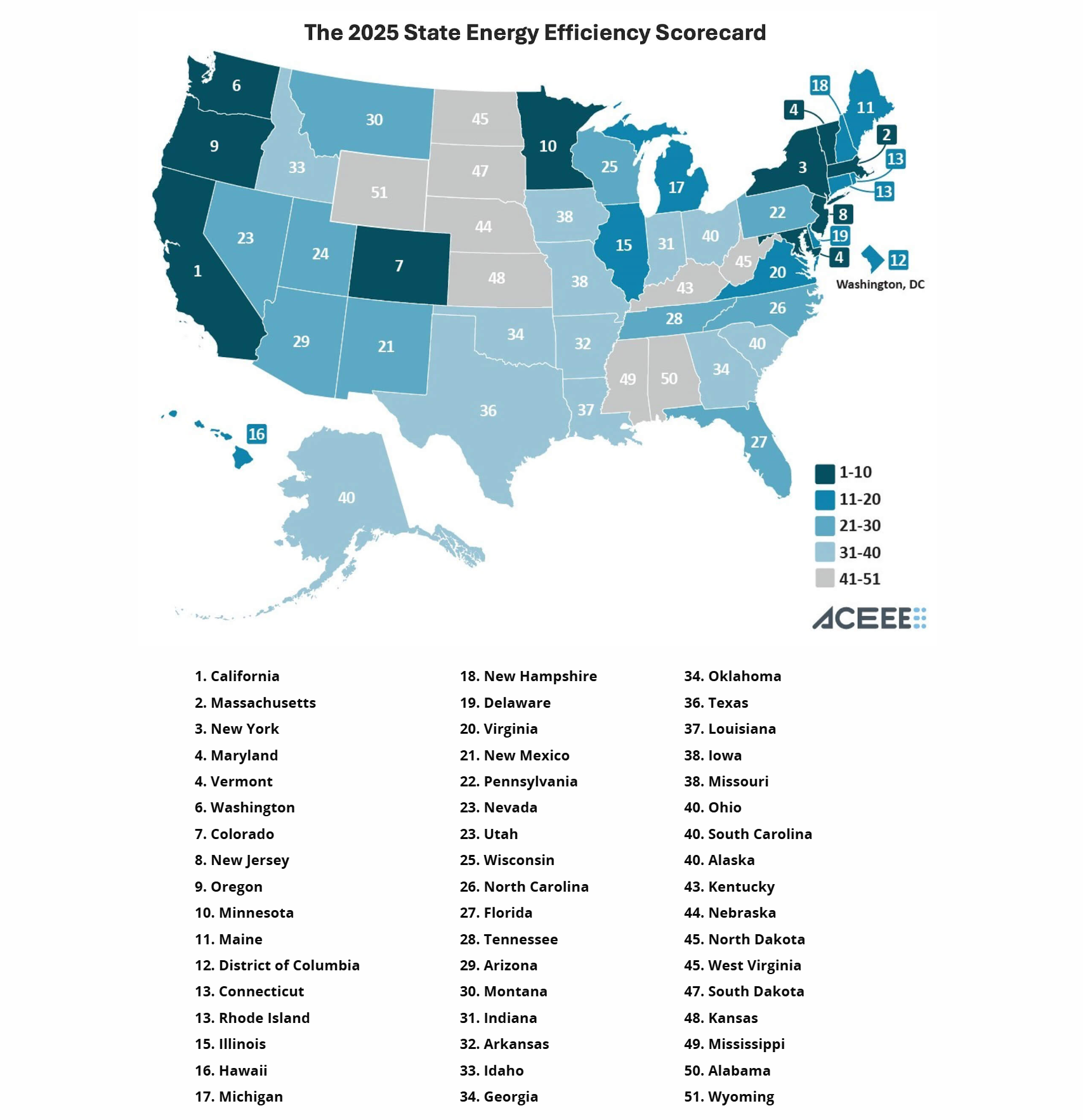
2025 State Energy Efficiency Scorecard
The top finishers in the 2025 scorecard are California, Massachusetts, and New York, with Maryland and Vermont tied for fourth place. Colorado, Louisiana, and New Jersey are among the most improved states since the last scorecard.