Solar is having a moment. In 2025, solar accounted for 54 percent of all new electricity-generating capacity added to the US grid, indicating its growing role as one of the nation’s most affordable and deployable energy resources. As costs continue to fall and installation becomes more accessible, communities are finding innovative ways to harness solar power.
From community solar programs in Illinois to creative deployment methods in North Carolina and New Hampshire, solar power’s flexibility allows it to be tailored to individual households, businesses, and neighborhoods. Despite its adaptable nature, recent tariffs could create new challenges for communities wanting to expand access to this valuable power resource.
Introducing Solar to Illinois Communities in Need
Illinois’s Solar for All initiative is demonstrating how community-centered solar programs can expand access to clean energy. Designed to serve low-income households and nonprofits, the program recently increased its funding to $20 million to meet the growing demand across the state.
The program’s success was not immediate; limited public awareness about solar and its affordability slowed early adoption. In response, the organization prioritized education and outreach, helping residents and organizations understand the technology before focusing on installations. Those efforts in community engagement laid the foundation for larger participation.
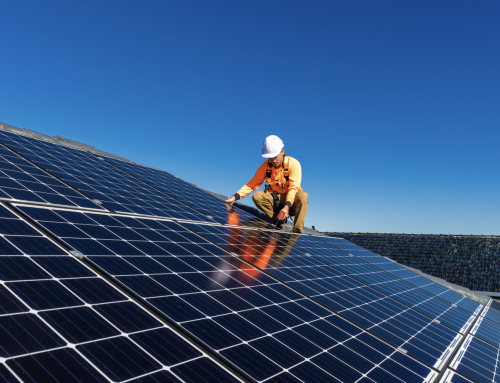
Today, the program is helping organizations that often face resource constraints. One example being the Crisis Nursey, a nonprofit that operates 24/7 with a large building footprint, requiring an extensive amount of energy. Similar projects have brought solar power to churches, fire stations, senior centers, and recreation facilities across Illinois, helping community institutions lower costs and generate clean energy.
Solar for All’s impact continues to grow across Illinois, with more than 400 projects installed in the last fiscal year and over 700 buildings statewide now generating solar energy. Now operating in every county, the program’s success reflects a community-first approach that combines education, outreach, and tailored solutions to local needs.
Solar Provides Last Resort Energy Option in North Carolina
Solar can provide power resilience when disasters strike. In North Carolina, Hurricane Helene exposed the vulnerability of power systems, leaving communities without electricity for as long as four months. In response, local governments are using solar-powered microgrids as a backup power source.
Through a $5 million statewide pilot program from the Department of Environmental Quality, community facilities have installed solar panels and battery storage. Ultimately, the state aims to deploy 26 microgrids across the state. The project includes two versions of solar microgrids: stationary or “beehives.” Stationary microgrids can power one or more buildings and can send electricity to the grid or store energy for days without sunshine. Scheduled for completion in 2027, the stationary microgrids will support essential community hubs like food banks, fire stations, and community centers during emergencies. The “beehives”—mobile microgrids—have the capacity to power a large building up to 10 hours and the technology can be towed to other buildings for power. With both the stationary and mobile microgrids, North Carolina is showing how clean energy can serve as both a zero-carbon power generation option and a tool for disaster preparedness.
New Hampshire is plugging into Solar
Solar is becoming increasingly accessible in New Hampshire through balcony solar plug ins, also known as plug-in photovoltaic systems. A recently passed bill SB540 will allow residents to generate solar through plug-in systems starting January 2027. Unlike rooftop installations, this technology is simpler to install, does not require building permits, and can be purchased directly from retailers like Amazon. They can generate up to 1,200 kWh, powering everyday household appliances like refrigerators and coffee machines. Plug-in solar has become a more personalized approach to energy generation, foregoing the permitting and interconnection processes and upfront costs.
However, this power source is not a complete replacement for grid electricity. Energy production varies on weather conditions (a common constraint of solar), the system supports a limited number of household devices, and poorly made or defective equipment can become a fire hazard. But as long as it is manufactured and installed correctly, balcony solar provides a useful opportunity for residents to take control of their energy consumption. New Hampshire joins other states such as Maine, Virginia, Colorado, and Maryland in legalizing the technology, quickly growing the customer base for this innovative new application of a decades-old power source.
Solar is becoming an increasingly common part of life across Illinois, North Carolina, New Hampshire, and other states. This may get more expensive come December, following the Trump Administration’s issuing of a 15 percent tariff effective in early December on a key solar component: polysilicon. Supporters argue the policy would strengthen domestic production and help U.S.-made products compete with imports, while critics say it will increase installation costs and therefore hurt deployment. This represents a long-simmering tradeoff between U.S. manufacturing production and employment and U.S. installation employment. This is not likely to be solved anytime soon but identifying ways to grow U.S. manufacturing while also growing domestic employment in solar installation will be key to ensuring a broad-based clean energy economy.