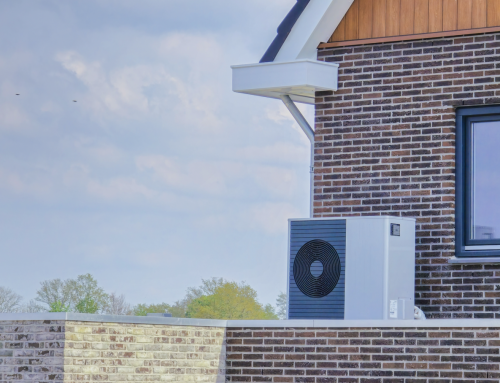
The Home Energy Rebates program is the largest ever federal investment in home energy efficiency. Established under the Inflation Reduction Act in 2022, the program provides $8.8 billion in funding to help households reduce energy costs through home energy efficiency upgrades and electrification measures, such as insulation, heat pumps, and energy-efficient appliances.
Following its enactment, states across the country have been developing and implementing their own rebate programs. However, in January 2025, the Trump Administration issued an executive order that froze funding for numerous climate and clean energy programs, including the Home Energy Rebates program, causing many states to pause the rollout of their programs and application processes. In June 2026, the Department of Energy (DOE) announced it had released updated program guidance and reopened funding. The updated guidance introduced substantial changes to program requirements, including new restrictions on certain energy efficiency and electrification measures. While new programs could get approved under the revised guidance, existing programs must be changed to comply with the new requirements.
Under the new guidance, the programs were renamed the Home Owner Managing Energy Savings (HOMES) Rebate Program and the High-Efficiency Electric Home Rebate (HEEHR) Program. Across both programs, the DOE removed Justice40 parameters and other elements of diversity, equity, and inclusion. For the HEEHR program, the DOE banned fuel switching, meaning that homeowners can no longer claim rebates for swapping out gas-powered appliances for electric ones. This also means that 73 million households in the United States that heat with gas, oil, or propane will become ineligible under that program (although they could still make improvements via the HOMES program). HEEHR rebates are limited to electric-to-electric appliance upgrades or new construction. This could be a costly change, given that switching from fuel oil or propane to a heat pump can significantly reduce both energy costs and greenhouse gas emissions. A 2024 study found that 95 percent–100 percent of homes using fuel oil or propane would save money after switching to a heat pump, with median savings of $300–$650 annually, while widespread heat pump adoption could cut U.S. residential greenhouse gas emissions by up to 64 percent. HEEHR also now requires weatherization upgrades like insulation and air sealing before funding for heat pumps will be approved.
The guidance also introduced several changes to the HOMES Program, though these changes are seen as minor and largely procedural compared to HEEHR. State implementation plans are now optional, removing the previous requirement for DOE approval before program launch. The DOE also made ENERGY STAR requirements optional. The guidance added flexibility for multifamily buildings, expanding the definition to include multiple buildings and allowing common area upgrades (these must ensure energy savings, cost savings, or other health and safety benefits).
The new guidance generated mixed reactions. Supporters argue that the changes will expand consumer choice, streamline program administration, and give states greater flexibility to tailor rebate programs to local needs. But several environmental organizations and Democratic lawmakers have criticized these changes, arguing that removing rebates for gas-to-electric fuel-switching undermines the original intent of the program. The Sierra Club stated that the new guidelines will create confusion and “disrupt programs already approved and underway in multiple states.” Altogether, the changes to HEEHRA stymie fast progress on rolling out energy efficiency upgrades and will make it much more difficult specifically for customers to switch from costly fuel oil or propane to high-efficiency electric appliances.
Although these changes will likely make it harder for households to lower energy bills, electrify their homes, and access rebates compared to the previous guidance, the silver lining is that more programs that had been in limbo may now be able to open under the new guidance. We will continue to monitor these changes and the rollout of any new programs. To stay updated on the status of states and territories’ Home Energy Rebate programs, check out the Home Energy Rebates Tracker.