
Filter Selections:
State-Level Heterogeneity in the Price Elasticity of Demand for Residential Electricity
This paper presents updated estimates of a standard measure of price responsiveness in the US residential electricity market—the price elasticity of demand for electricity (PEDE)—and explores how it varies across states.
Retrofit Navigators: Building Retrofit Programs that Advance Climate, Housing, and Community Goals
This report from BEI outlines the issue with traditional retrofit programs and how to design better programs, including examples from programs in Philadelphia, Madison, and New York City.
2025 Building Decarb Legislation Roundup
Welcome to BDC’s 4th annual building decarbonization legislative roundup.
Thermal Energy Networks as Key Infrastructure in Vermont
A new report published in partnership with Building Electrification Institute. “TENs are a critical tool for maintaining grid reliability and stability as Vermont transitions to a cleaner energy future. This function makes TENs a valuable resource with financial benefits.” This detailed report examines how Thermal Energy Networks (TENs) can contribute to and support resource efficient building decarbonization in Vermont. Using utility data to calculate the potential savings TENs could deliver, the analysis: Makes a compelling case for the high efficiency, peak-shaving, and cost-saving value of TENs as a capacity resource for Vermont’s electric grid. Forecasts the impact of broad [...]

Multistate Action Plan: Accelerating the Transition to Zero-Emission Residential Buildings
Recommendations for state action are organized into four categories – equity and workforce, carbon reduction obligations, codes and standards, and utility planning and regulation – using a framework introduced in a 2024 policy brief, Decarbonizing Buildings: How States Can Set the Table for Success.
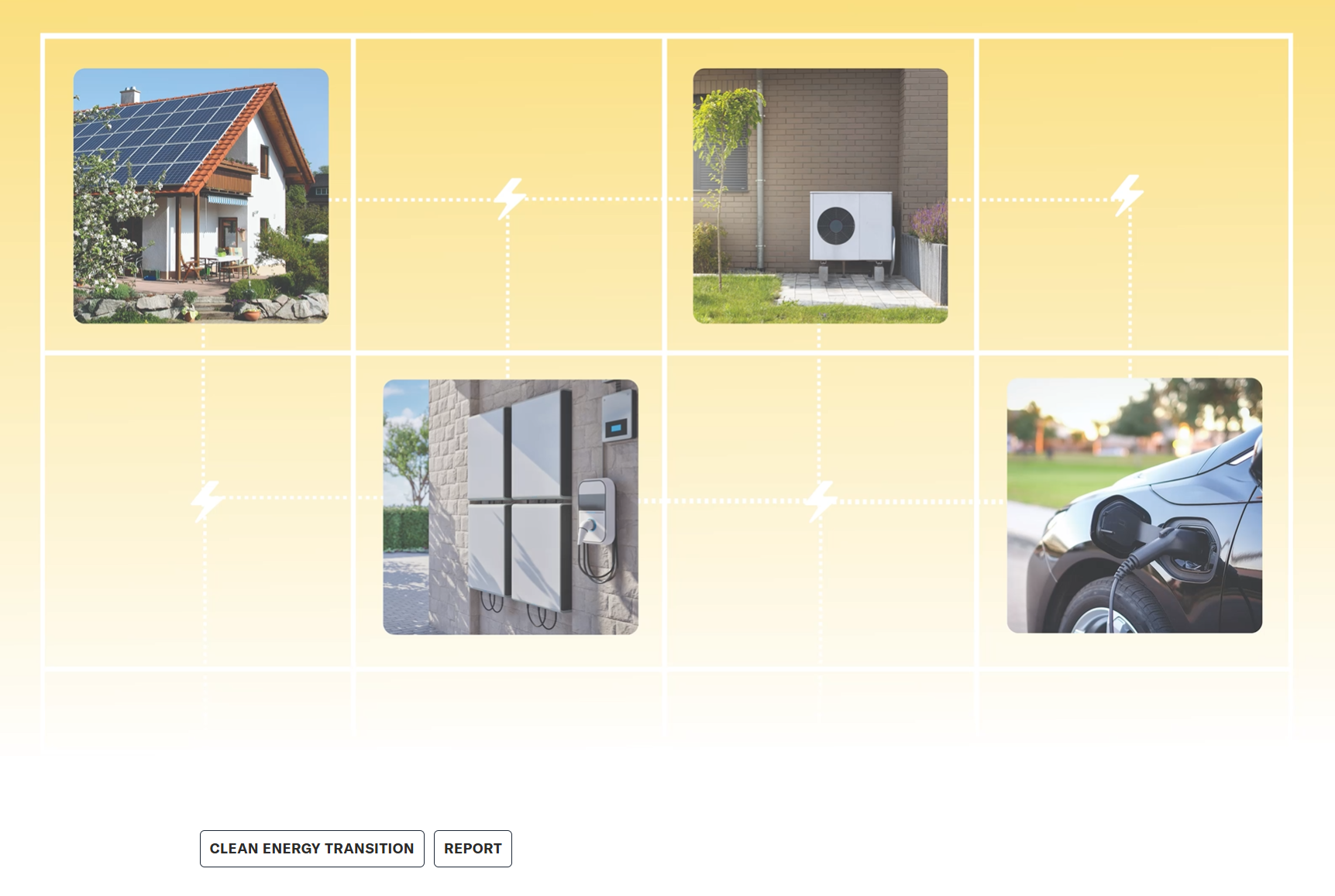
Homegrown energy How household upgrades can meet 100 percent of data center demand growth
There is an overlooked solution that has the potential to provide sweeping benefits: investing in the household as energy infrastructure.
Green, Healthy Schools: How NYC Can Lead the Nation with Green Jobs, Quality Education, and Thriving Communities
The Green, Healthy Schools (GHS) initiative, championed by the Climate Works for All coalition, offers a comprehensive solution that provides a win for environmental justice and sustainability, and a path to creating good, green union jobs.
Energy Burden in Alaska
The findings highlight the urgency of addressing energy affordability through targeted policy action, community-driven solutions, and investment in energy infrastructure.
Decarbonizing Space Heating in Existing Centrally Heated Multifamily Buildings
This report discusses these and other decarbonization options for centrally heated multifamily buildings, analyzing the life-cycle cost of the different options and providing examples of installations using each of these options.
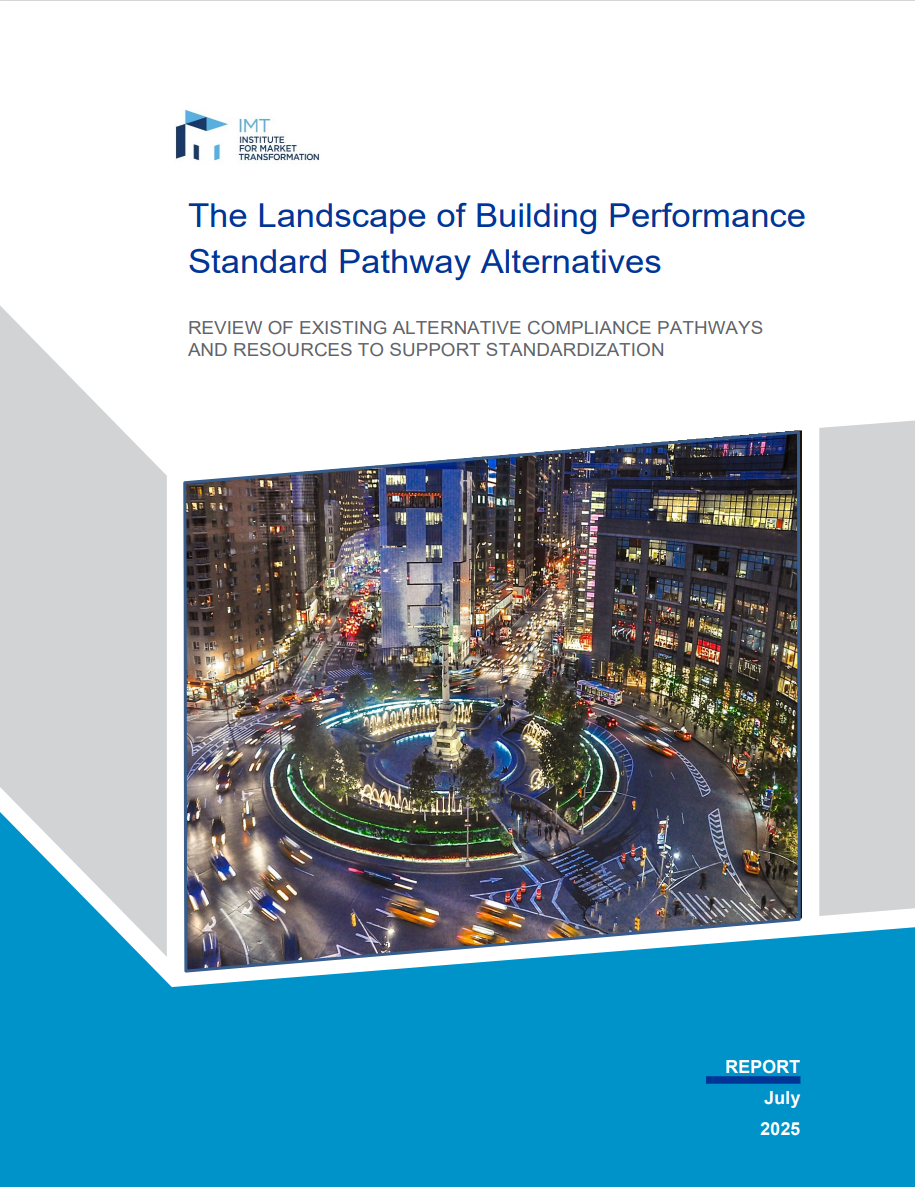
The Landscape of Building Performance Standard Pathway Alternatives
The report provides a landscape assessment of existing BPS compliance and ACPs offered across the nation using a common taxonomy, and identifies key challenges.
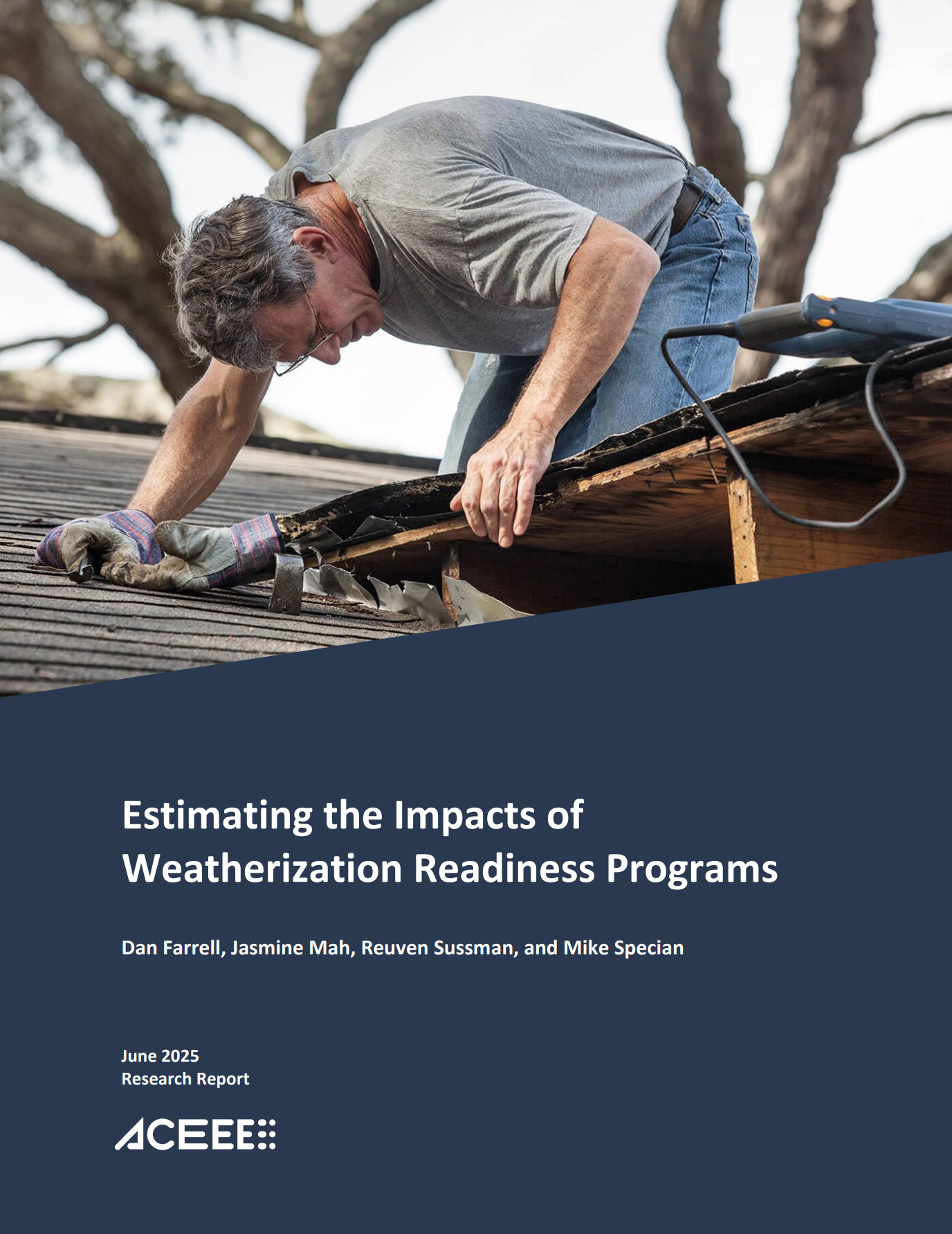
Estimating the Impacts of Weatherization Readiness Programs
WAP and some utility programs provide energy efficiency retrofit services at no cost to qualifying households. Participation in these programs, however, is often hampered by existing home conditions and repair needs that restrict the ability of implementors to install energy saving equipment and measures.
Northeast High-Performance HVAC Market Assessment Report
NEEP published a new market assessment today that shows a strong and growing market for high-performing air source heat pump (ASHP) equipment in the Northeast.