As discussed in a previous digest, electricity and natural gas prices are rapidly rising, solidly outpacing inflation. Experts point to a variety of factors driving this price increase, namely a mix of increased grid demand from data centers and electric vehicle charging, the cost of replacing aging generation and delivery infrastructure, and costs from natural disaster grid recovery. At the same time, the status of federal programs like the Low Income Home Energy Assistance Program is incredibly uncertain, leaving states and utilities as the next places to go for residential energy support.
Public Service Commissions (PSCs) and Public Utility Commissions (PUCs) act in the face of rising bills through continued rate case activity. Throughout this digest, state commissions are referred to as PUCs. PUCs oversee utility rates primarily through formal rate cases and tariff proceedings, while long-term resource choices are evaluated in Integrated Resource Plan (IRP) dockets that guide — but do not themselves set — customer rates. Cost recovery for new investments typically occurs later in separate proceedings, for instance in base-rate cases or riders/trackers; they may also recoup costs through fuel or purchased power adjustments, securitization, or be offset by federal or shareholder contributions. IRPs and the cost changes within them are acknowledged or accepted by a state’s PUC after a drafting and public comment process. Rates themselves are set in separate rate cases, which also undergo a public review process.
It is the responsibility of the PUC to ensure that proposed changes — which are usually financed by rate increases for customers for a specified period — do not overburden the energy customers in their state and ensure utilities offer adequate service quality. Over time, however, rate increases have become increasingly common. As reported by the Energy Information Administration, in 2023, state regulators authorized $9.7 billion in net electric rate increases, more than double the $4.4 billion authorized in 2022 — an increase of about 120 percent. Moreover, regulators approved about 58 percent of utilities’ net rate increase requests, and if similar approval patterns persist, additional increases will be authorized in 2025 and beyond.
These trends have played a part in rising bills and, as aforementioned, an increased need for significant investment to make infrastructure resilient to natural disasters and guarantee grid reliability and modernization. Changing regulation of distributed renewable sources such as rooftop solar and how utilities compensate solar owners further complicates the picture. Recent headlines detail price increases across the country, following from approved rate hikes like those seen for Colorado Springs, Eversource in Massachusetts, Southern Nevada, and Washington Gas customers. Simultaneously, utilities nationwide are backsliding on their clean energy and climate goals. The latest Sierra Club “The Dirty Truth” report graded utilities nationwide with an aggregated ‘F’ as utilities brought online or released plans to bring online fossil fuel generation facilities to meet rising electricity demand and as they responded to the shift in the clean energy policy environment.
Utility customers across the country are facing a lose-lose situation when it comes to energy affordability and clean energy. Fortunately, mitigating solutions are popping up, foremost of which are increased investment into utility energy efficiency programs. A recent study on Rhode Island Energy’s planned cuts to its energy efficiency programs diagnosed the utility’s plan as eliminating hundreds of jobs and around $90 million in benefits, while saving the average household less than two dollars a month. In reality, cutting renewable energy and energy efficiency programs results largely in short-term, small bill reductions, adding up to insignificant customer savings and longer-term price instability.
In the same vein, Virginia’s Commission on Electric Utility Regulation — a legislative body separate from the state’s PUC — has proposed increased investment into low-income energy efficiency programs to decrease energy consumption and subsequently decrease energy bills. The organization also examined the potential of community solar, constructing small modular reactors, and ramping up energy storage as alternative sources of clean energy. These propositions are interesting especially given that Virginia experiences the ninth highest electricity prices and has the most data centers in the country.
Energy customers have limited options in terms of responding to energy unaffordability. State and local programs persist, as detailed on our Spotlight States dashboard. Non-profits nationwide work to tackle utility dockets and fight for customer affordability. The most direct route of action customers can take is becoming involved in the appointment or election processes for PUC commissioners. Most saliently, seven states and Guam are holding elections for commissioners in 2026 (Figure 1).
Figure 1: States Holding PUC Elections in 2026
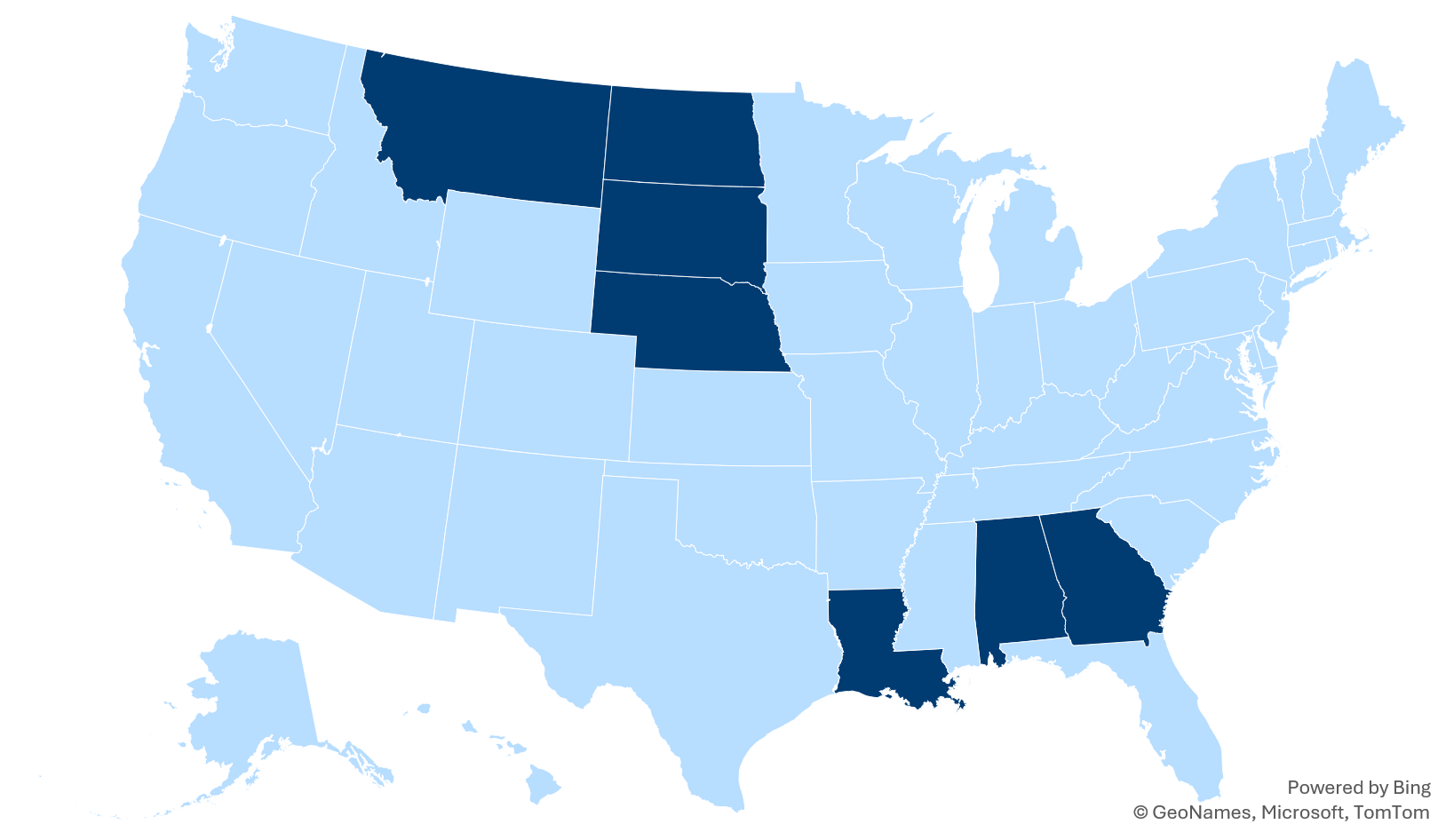
Source: Ballotpedia. | States that will hold PUC elections in 2026 are in dark blue. Guam will also hold elections for three of five seats on the Guam Consolidated Commission on Utilities but is not represented on this map.
The average voter often does not know the responsibilities of PUCs, making education on this front extremely important. As detailed in a recent Grist article about the upcoming PUC elections in Georgia, “voters care about what the PSC does, once they understand it.” These commissioners will play a major role in determining electric rates for the next several years, so voters have an opportunity to help shape the future of their bills at these eight commissions.