Large-scale, sophisticated demand-side grid support programs and response solutions are nascent in the United States. These solutions aim to balance the grid, or in other words match the grid’s demand for electricity with proper supply. But, as the successful virtual power plant test conducted statewide in California in July shows, they are powerful and efficient tools in an era of constrained electricity supply and aging transmission infrastructure that have the potential to meet soaring demand.
Demand-side-energy management can be conducted in a variety of ways, including via energy efficiency incentives or demand response programs, which offer customers incentives to reduce energy expenditures during peak demand hours. Altogether, these programs generate real relief for the grid during times of stress — according to the Energy Information Administration, about 12.3 gigawatts in peak demand savings were realized in 2024.
These programs are reliant on individuals opting into a utility program because of a financial incentive. Large-scale demand-side solutions aggregate the demand of large groups of willing customers and adjust their electricity usage as needed. One of these mechanisms is the virtual power plant (VPP), or a coordinated system of distributed energy resources (DERs) which a utility can turn up and down en masse to stabilize grid supply and demand.
In this way, the system can quickly adapt to the needs of the grid and can be brought online more quickly than other grid upgrades. VPPs and other aggregated demand response programs typically emerge via two venues: through a regulated market or directly through a distribution utility. In the former case, a regional transmission organization (RTO/ISO) runs a market that compensates generators for energy or pay demand response providers to decrease consumption at a particular time and price. VPPs aggregate several distributed energy sources such as solar and batteries but can also include devices with flexible load such as HVAC, water heaters, and EV charging. In the latter case, utilities offer bill credits to customers who opt in for the ability to adjust the consumption of their devices to balance the grid and manage peak demand.
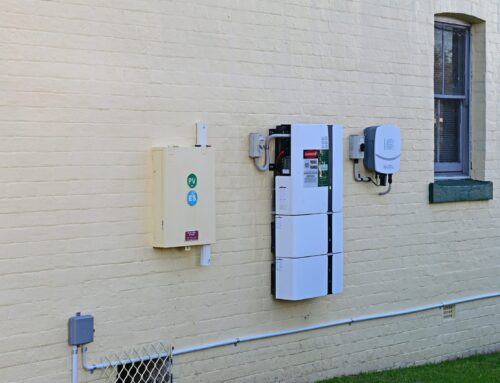
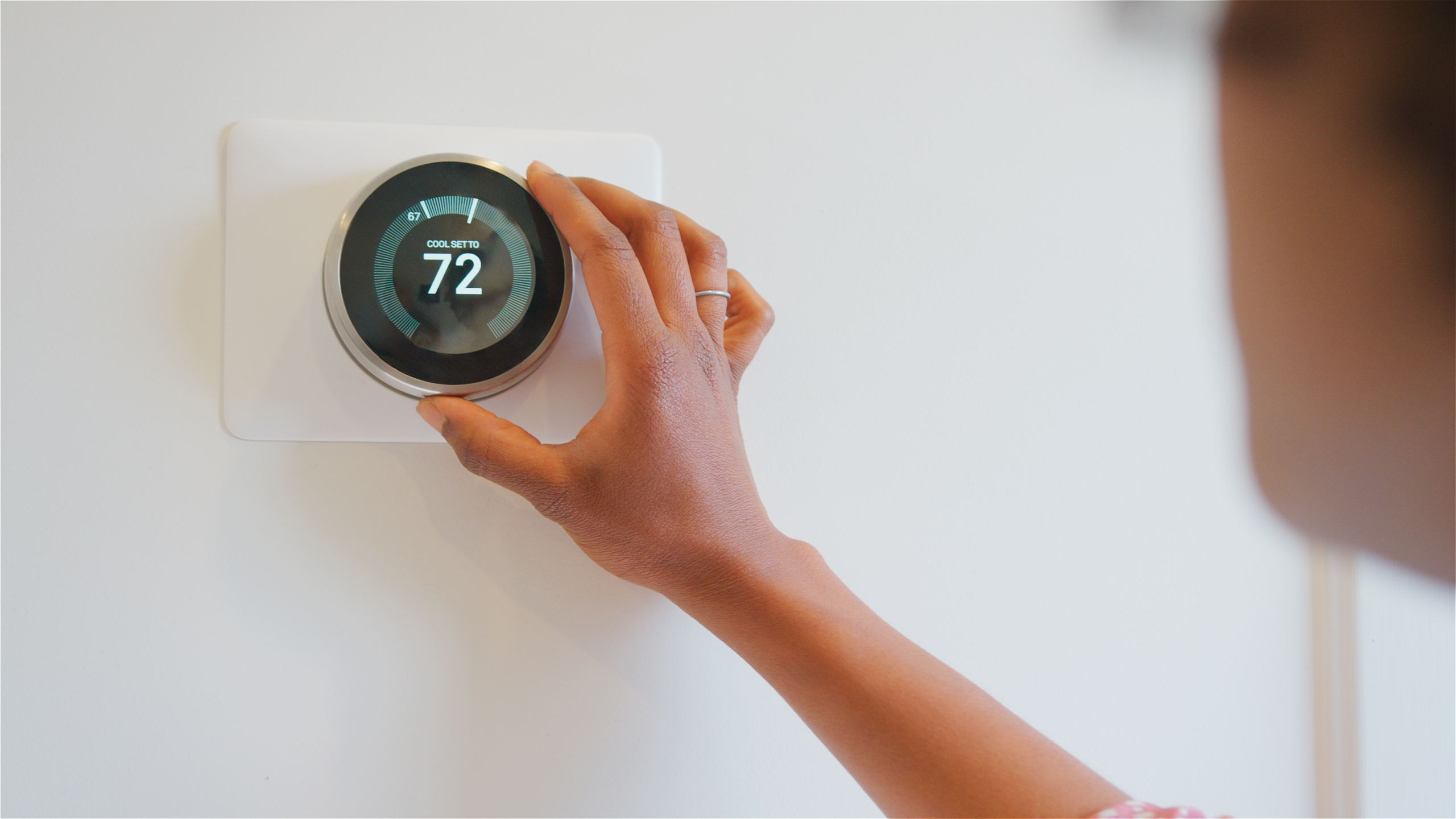
Several VPPs draw energy from household’s residential energy storage systems, while others communicate directly with homes’ smart thermostats. These technologies are much easier to install than other energy infrastructures and may even be incentivized by the utility itself. Moreover, VPPs can be scaled quickly, and their value propositions are not reliant on load forecasts; contracts with consumers, utilities, and other actors involved can nimbly be increased or decreased, something not possible for other energy sources that require siting permissions, construction and capital costs, and interconnection approval. Altogether, VPPs are efficient tools for demand response management that are cost- and time-effective for utilities to create and beneficial for individual customers to participate in. In fact, they are powerful enough even to scale to meet more than a fifth of projected peak demand in 2030, with data center growth factored in, according to the Rocky Mountain Institute.
Several forward-thinking RTOs and utilities have begun to roll out VPP efforts, including Pacific Gas & Electric, Southern California Edison, and San Diego Gas & Electric in California. The trio of utilities in California brought on a 535-megawatt VPP — the equivalent of a mid-sized gas power plant — for two hours in July, drawn from their sets of consumers that had opted into programs allowing the utilities to draw power from their residential energy storage systems, largely Sunrun and Tesla Powerwall batteries. The test provided a proof of concept: power sources drawn from several utilities and jurisdictions successfully, flexibly, and reliably kept the lights on statewide.
And there is more capacity to be had; this month, Sunrun reported a 400 percent increase in VPP program participation year over year. The company forecasts a potential capacity of 10 gigawatt-hours by 2029. Efforts to build out VPPs are also underway between National Grid and the New York Independent System Operator, with three aggregators for DERs having been selected in 2024. Sunrun has also been running a successful VPP with ISO New England since 2022. And in Texas, NRG Energy and Renew Home are partnering to bring on a 1-gigawatt VPP by 2035.
While this creative demand solution has legs and benefits the grid as a whole and individual customers, there are real barriers to adoption to overcome. For one thing, participation in a VPP program requires Wi-Fi-enabled smart technologies that grid operators control which can be more expensive than the traditional home appliances. That financial barrier can be lowered via incentives offered by utilities, but incentives are not ubiquitous and may not cover the full cost of purchasing and installation. Additionally, some consumers have concerns that the data from their smart devices could be used improperly. There is also the question of whether residential customers are being compensated enough for use of their DERs. Even more, many customers may not be aware that such programs exist. These issues and others have yet to be answered but will remain central to successfully bringing on significant VPP capacity.