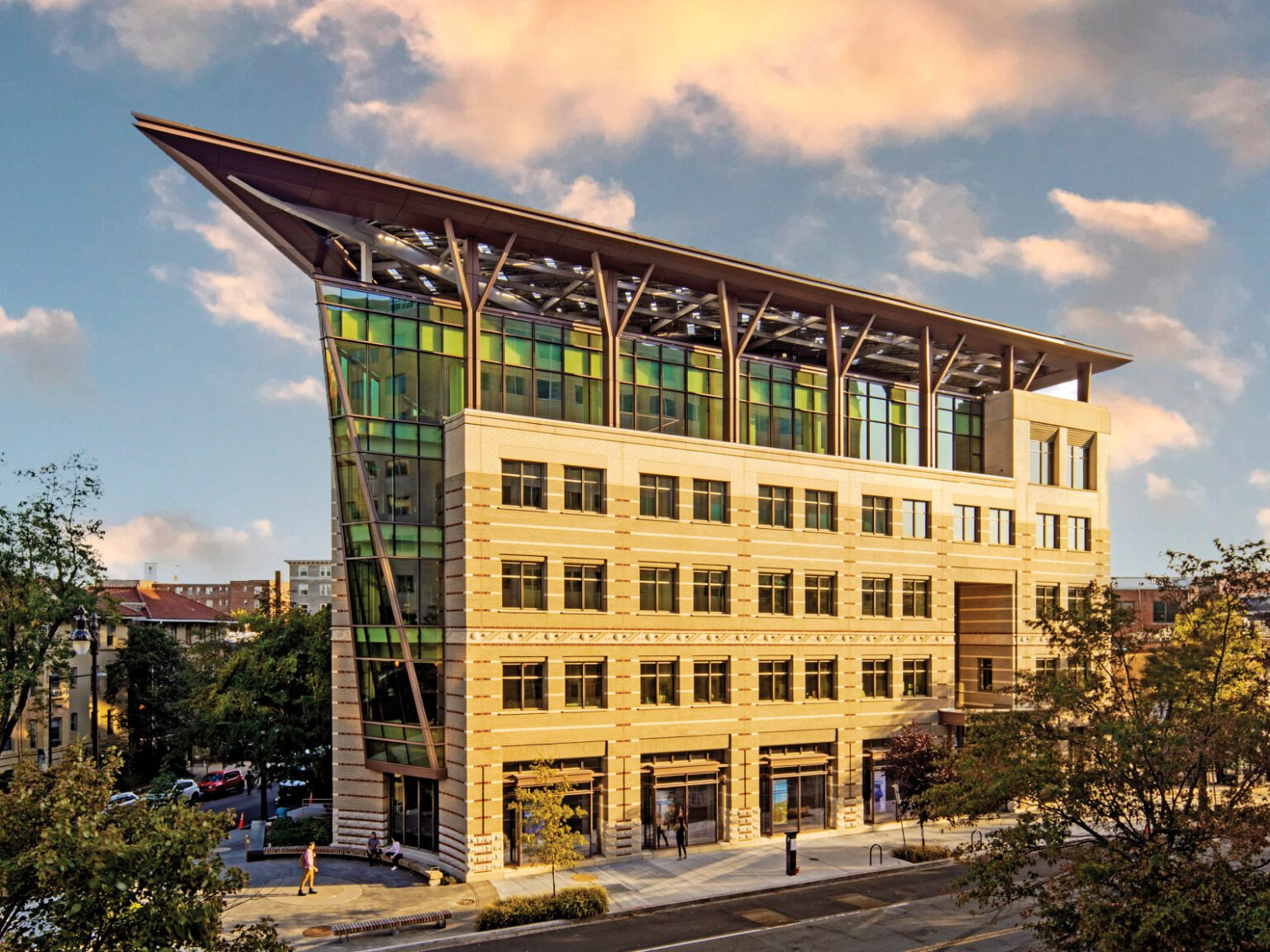
In the heart of Washington, DC, just off Dupont Circle, stands the American Geophysical Union’s (AGU) headquarters — an unassuming building that hides an impressive retrofit that the AGU says has enabled net-zero energy consumption. Beneath its glass façade, the 62,000-square-foot facility demonstrates how a legacy office structure can save energy and money, earning high recognitions from certifiers like LEED and WELL, through smart design, water reuse, and renewable generation.
Earlier this month, I toured AGU’s headquarters to see how the building’s designers and engineers approached their building’s retrofit with a simple premise: reuse as much as possible. AGU’s renovation, completed in 2018, transformed a 1990s-era building into a model of deep energy reduction. Today, the building is LEED Platinum certified and is one of the highest-scoring commercial office buildings in Washington, D.C., tackling challenges ranging from energy systems to the building’s envelope to ensure deep long-term savings.
A Retrofit That Reuses Everything — Even the Exit Signs
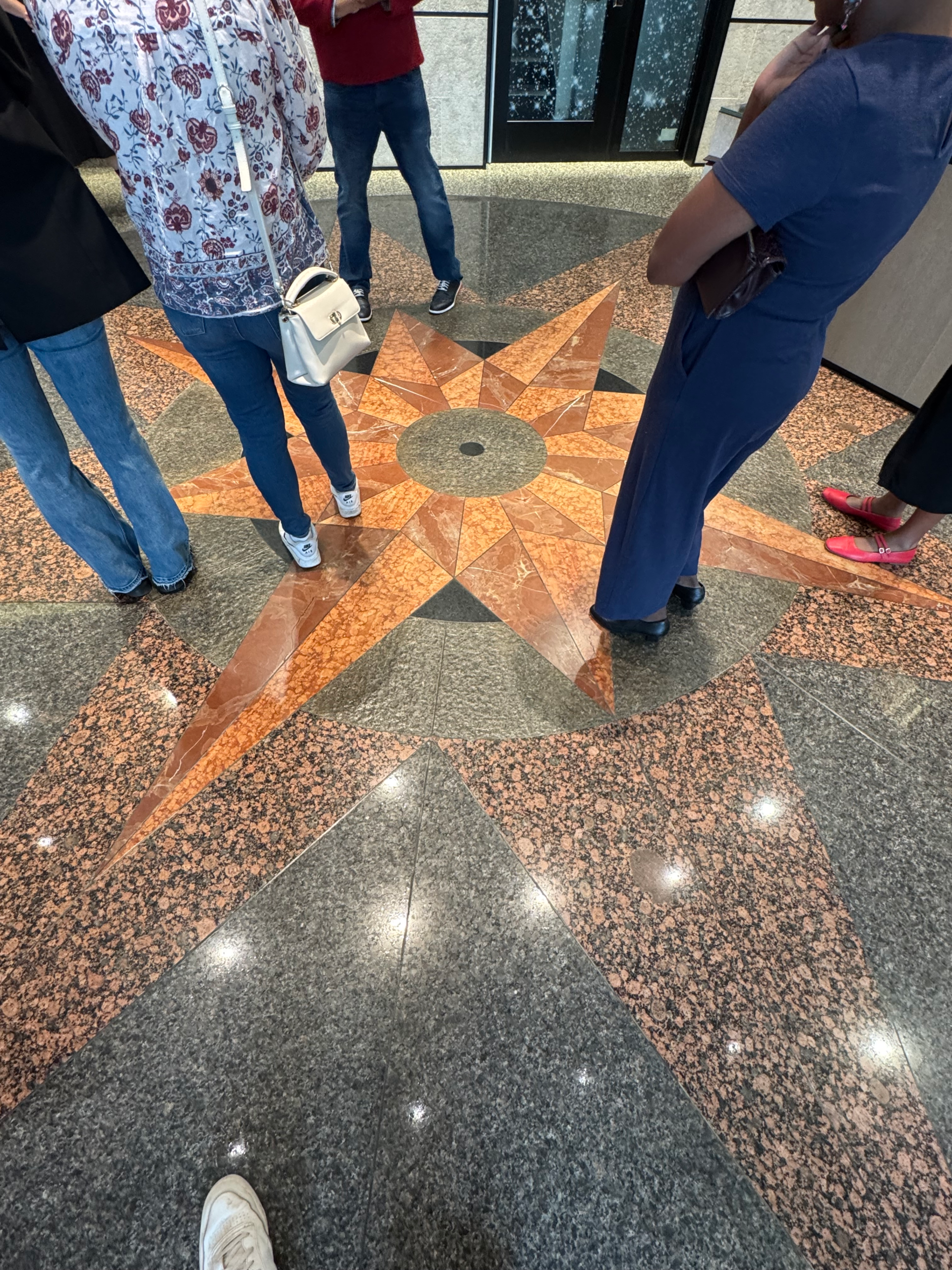
Wherever possible, AGU prioritized reuse over replacement. Even the terrazzo flooring, sinks, toilets, and exit signs were kept from the previous renovation and retrofitted with modern components such as LED strips (see Figures 1 and 2). The small but cumulative decisions reflected a broader life-cycle cost-benefit mindset: minimize embodied carbon and reduce waste while investing in durable systems designed to last.
Figure 1: Retrofitted Exit Signs Using LEDs
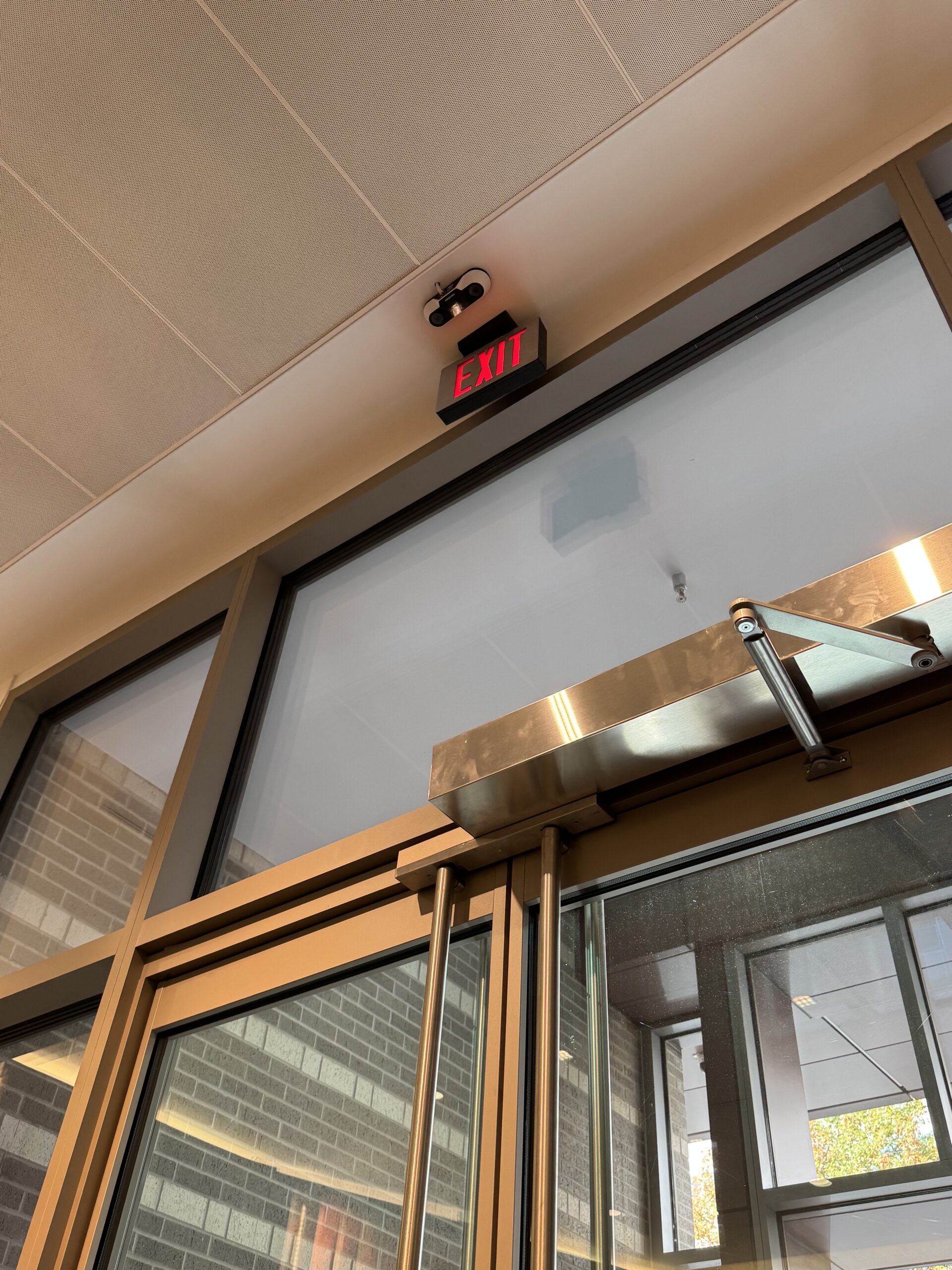
Figure 2: Lobby floors made using recycled sinks and toilets
How to Hit Net Zero in an Existing Building
During the tour, AGU representatives spoke to how the project’s design team conducted a cost-benefit analysis comparing several retrofit scenarios. Ultimately, they found that an ambitious clean energy package, including a cutting-edge wastewater heat exchange system, would pay off over the long term through operational savings.
Figure 3: Cutout example of radiant heating and cooling ceiling tile
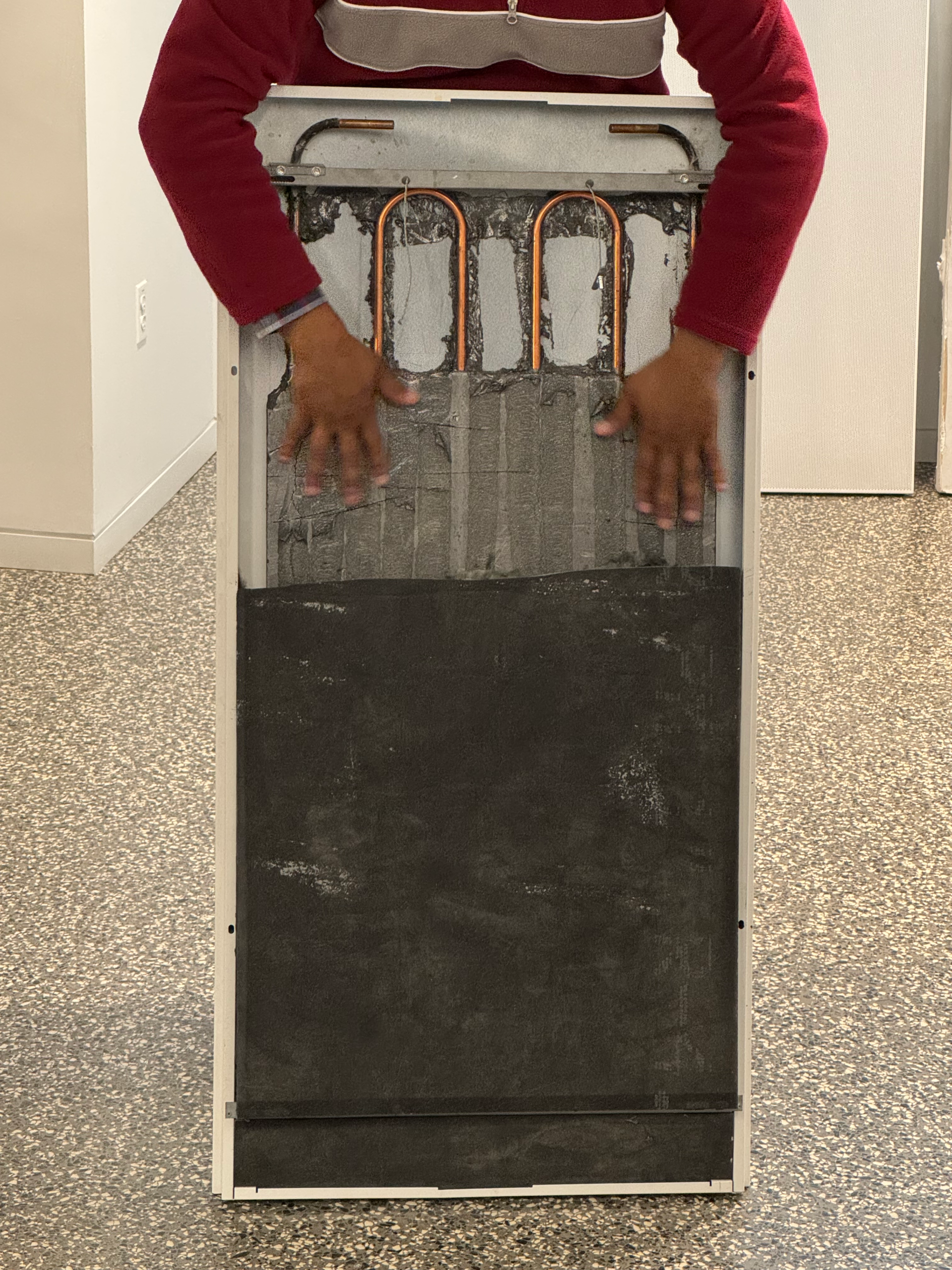
Figure 4: Municipal sewer heat exchange room for the building
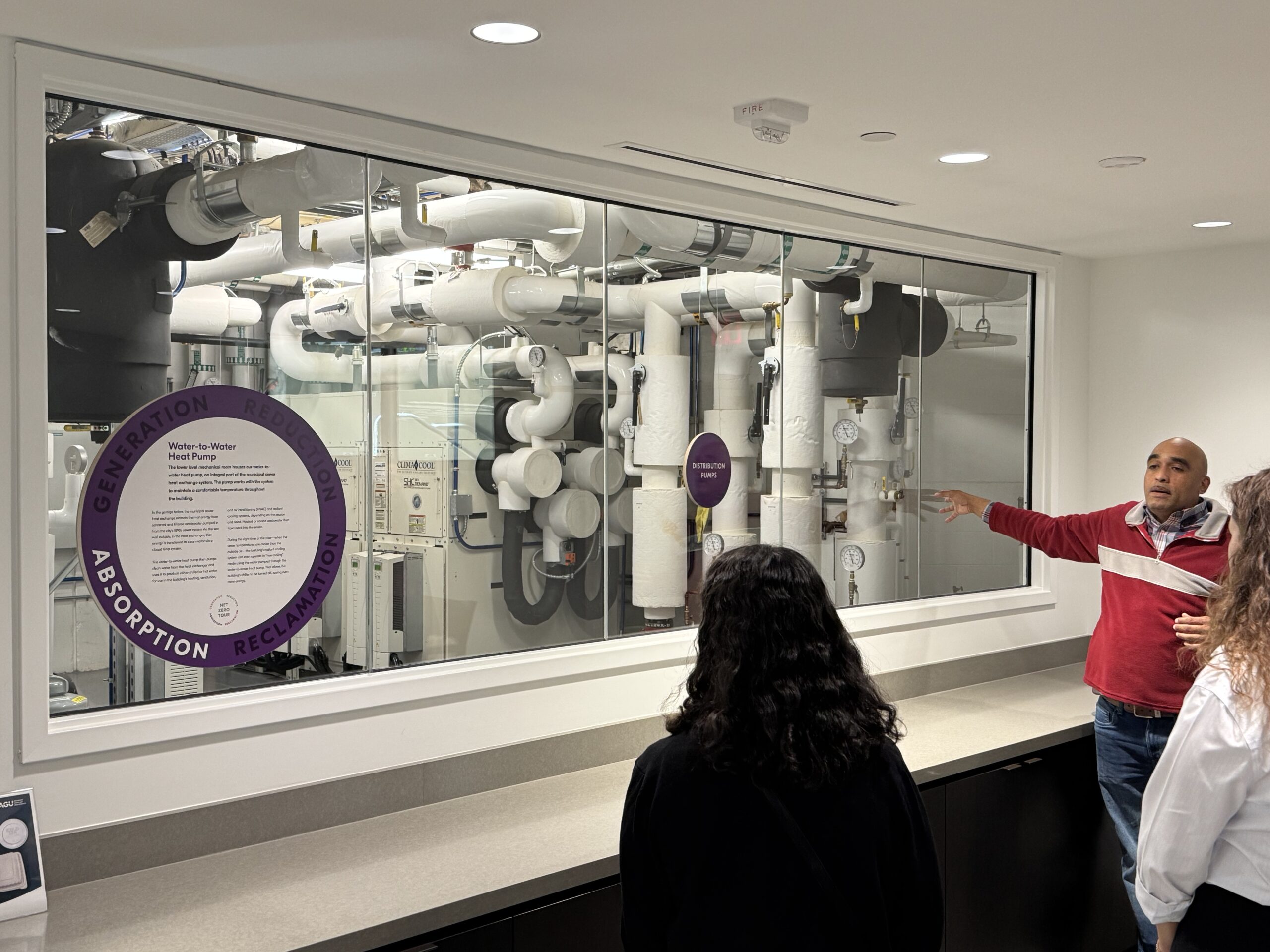
That system, which draws from DC’s combined municipal sewer, provides a steady 58°F thermal baseline used for both heating and cooling. Only about 20°F of additional temperature lift is needed from electric water heaters and dedicated outdoor air systems to meet interior comfort levels. This also means the system eliminates the need for a cooling tower, saves thousands of gallons of potable water, and is expected to last 75 years from the installation date with minimal maintenance.
Pairing Solar and DC Power at Scale
AGU’s roof holds more than 700 solar panels, which directly power lighting and workstations through a direct current (DC) distribution system, the first of its scale in the United States. By eliminating the need to convert electricity between alternating and direct current, AGU avoids as much as 19 percent in efficiency losses that can occur in traditional systems using an inverter. As an added everyday convenience, AGU staff can even plug laptops directly into USB-C outlets without the need for charging bricks.
When the solar array produces more than the building consumes, excess power is also sent back to the grid on sunny days. When solar is unavailable, a rectifier automatically switches the supply to AC grid power.
The Green Wall That Works Like a Lung
Inside the central lobby lies a six-story hydroponic green wall that provides both aesthetic and operational benefits. Its root systems filter and recirculate air throughout the building, reducing ventilation loads and improving air quality. Sensors continuously test indoor air before determining whether additional outside air is needed.
Figure 5: AGU’s green wall
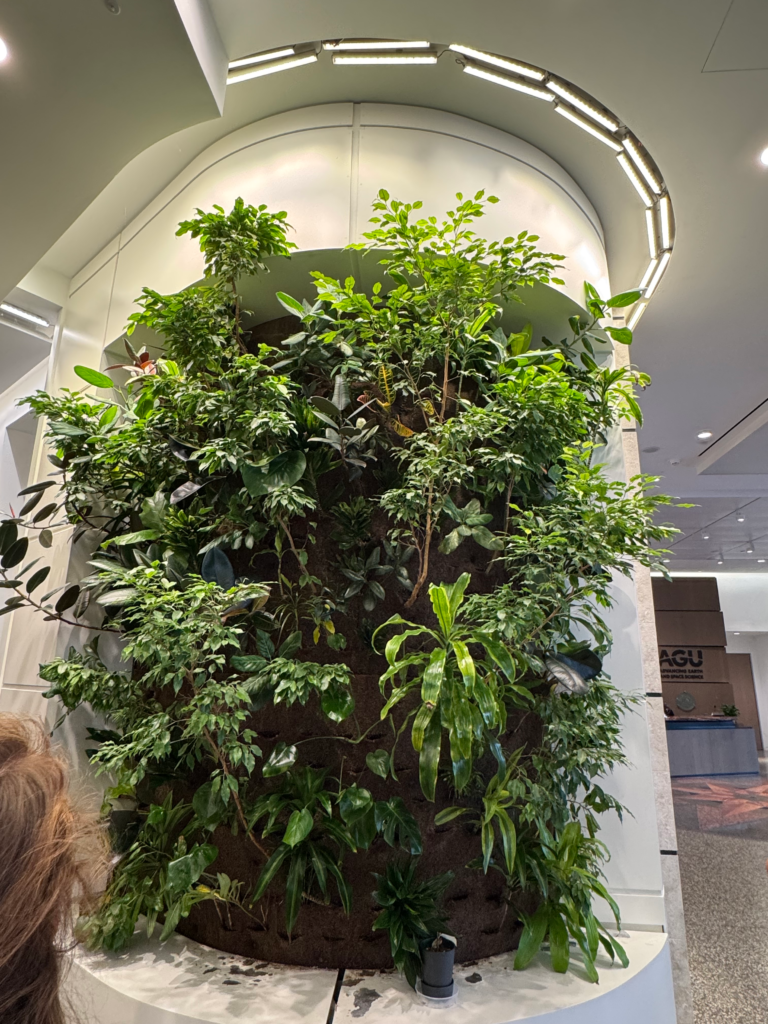
The wall can reduce total building energy demand by up to 30 percent through this natural filtration process. Unlike typical soil-based installations, AGU noted their hydroponic system requires little maintenance, about $2,800 per month in upkeep for the entire wall, compared to roughly $3,500 per plant wall in comparable buildings. Captured rainwater from a basement cistern feeds the wall’s drip irrigation system, closing another loop in AGU’s water reuse strategy.
Envelope, Glass, and Smart Systems That Seal the Deal
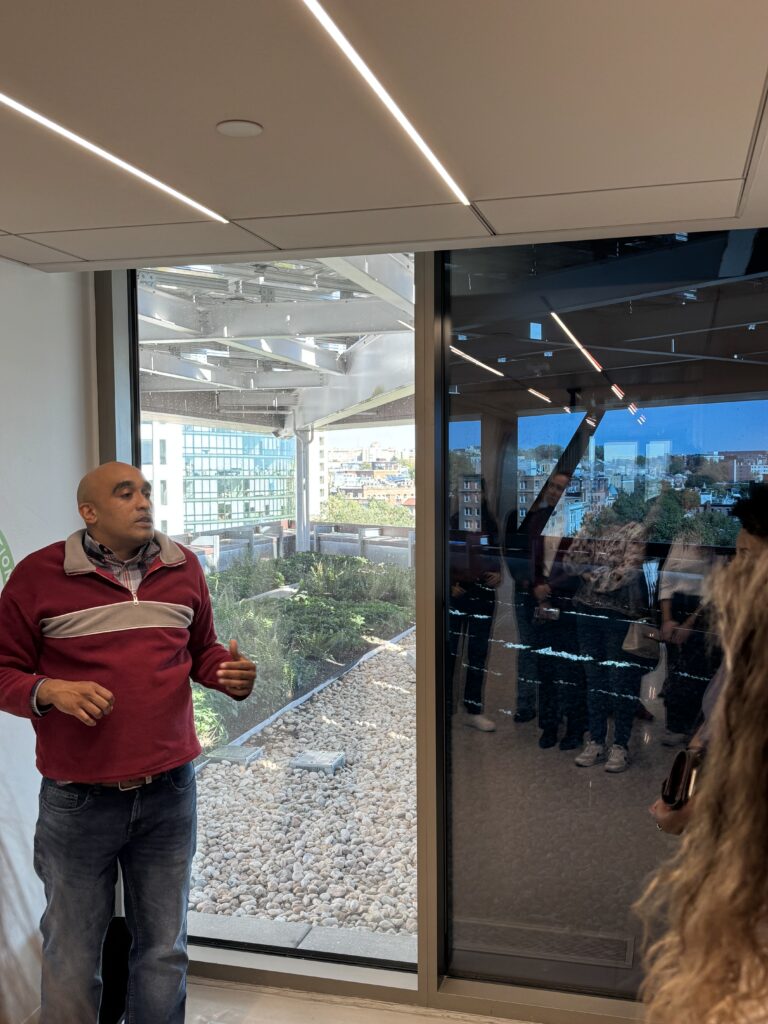
To complement its innovative systems, AGU overhauled its entire building envelope — adding eight inches of insulation (R-52 rated) and installing triple-paned electrochromic windows that tint dynamically with sunlight. Combined with radiant ceiling panels, these measures helped drive AGU’s energy intensity down from 86 to just 12.5 thousand British thermal units per square foot.
Figure 6: Example of electrochromic windows in use on tour
Financing and Data Transparency
Although the project promises to deliver long-term savings, the retrofit represented an upfront cost, and not every commercial building owner can do what AGU did. The organization noted that it financed the entire retrofit internally using no external grants, incentives, or renewable energy credits (RECs). Instead, the organization viewed the project as a “science experiment” to showcase what’s possible with existing technologies. AGU also signed a covenant and data-sharing agreement for its sewer heat-exchange system with DC Water, making the project a case study for other buildings in the District looking to implement wastewater heat recovery with building efficiency.
For commercial building owners that want to undertake similar projects but don’t have the capital to finance the project themselves, DC offers incentives for energy efficiency upgrades, and the federal Energy Efficient Commercial Buildings Deduction is still available through June 30, 2026.
A Blueprint for What’s Next
The AGU tour shows attendees that deep decarbonization is not just for new buildings or research campuses. Through strategic reuse, systems integration, and transparent performance tracking, AGU highlights that a downtown office can meet and even exceed its own energy needs if the capital is available to carry out the retrofit.
With local building performance standards being improved across DC, AGU’s retrofit stands as a blueprint for others seeking compliance and long-term resilience through energy self-sufficiency. We’ll stay on top of any future retrofit case studies here at Buildings Hub and keep you informed as they come across our desk.